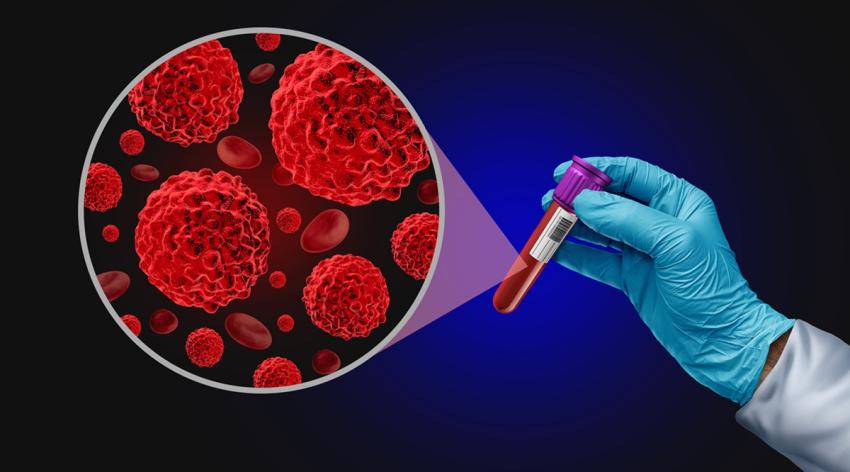
More screenings are being developed and used to detect evidence of disease in bodily fluids. But questions remain about reliability and implications for care.
The World Health Organization says that antibiotic resistance rose during the COVID pandemic. But antibiotic stewardship and other efforts are yielding results.
A physician from the University of Arizona College of Medicine biked from Washington, DC, to Seattle, to take the public’s pulse on the Affordable Care Act.
The Medicare Access and CHIP Reauthorization Act (MACRA) will significantly change Medicare reimbursements, pushing the health system toward value-based care.
By pushing medical students outside their comfort zones, global health opportunities can ultimately help them promote health equity and be better advocates.
As opioid-related deaths rise nationwide, the medical community is getting the word out to physicians about the dangers of overprescribing painkillers.
Medical schools are introducing early clinical experiences with programs that train students as emergency health technicians, health system navigators, etc.
Informed consent means patients understand the risks, benefits, and alternatives of recommended treatments. Engaging patients in these discussions is a skill.