Project Medical Education
An interactive learning experience that brings the medical education system and academic medicine to life.
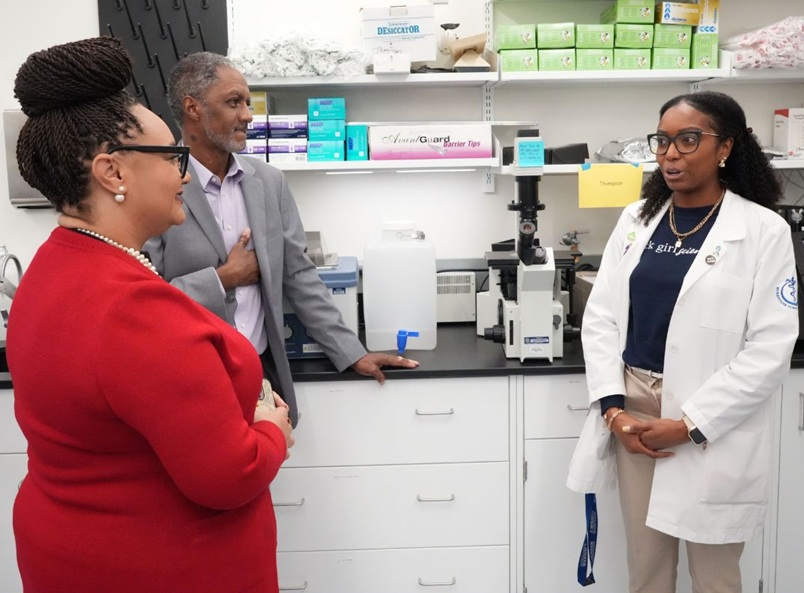
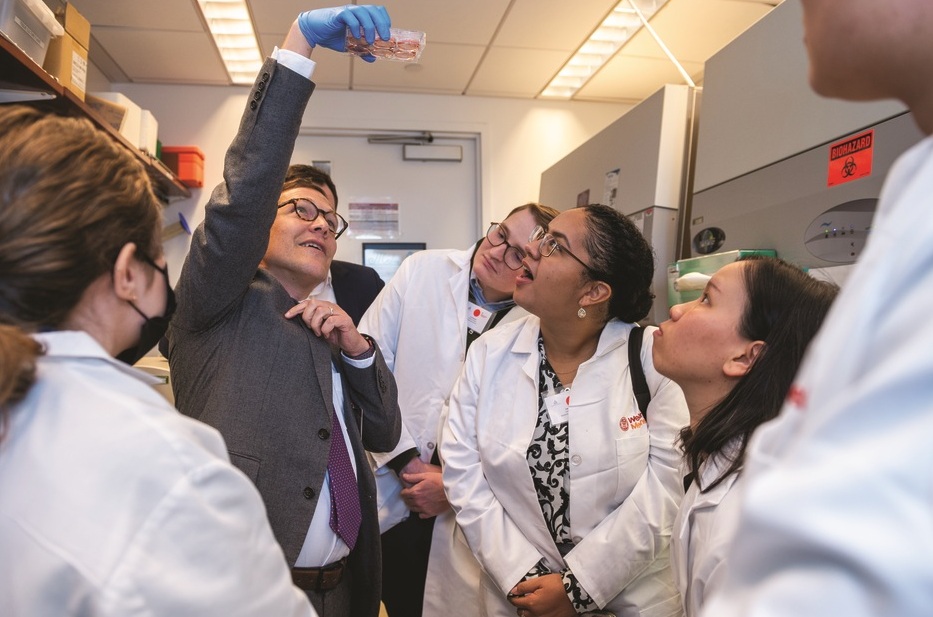
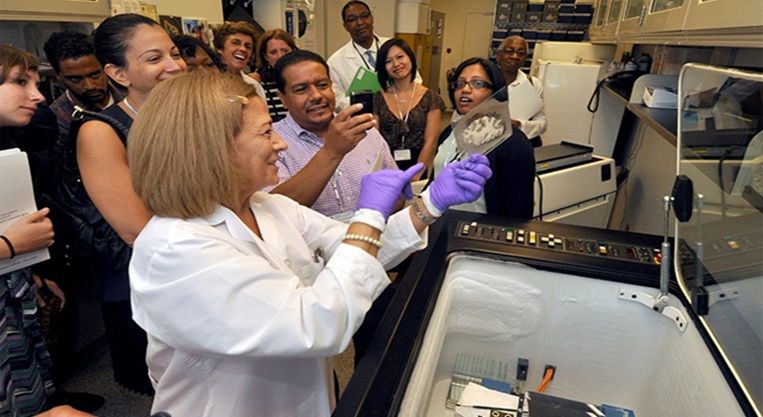
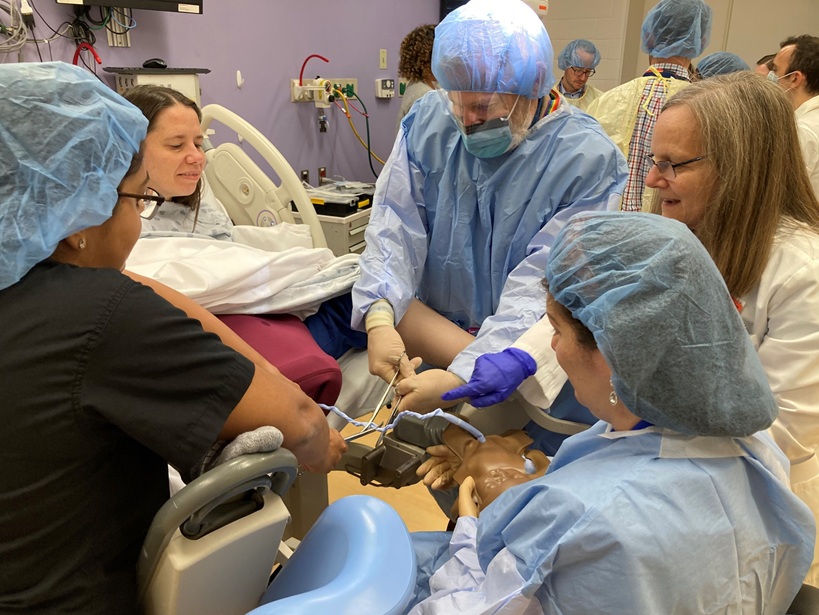
Project Medical Education (PME) is a guided, hands-on educational experience designed to teach elected officials, staff, community leaders, and other stakeholders about academic medicine and the essential contributions of medical schools and academic health systems and teaching hospitals. This day-in-the-life experience provides a key perspective on what it takes to plan and execute an academic medicine program, which can lead to greater support from partners, stakeholders, and others who are important to the future of health care delivery and medical education.
Goals of Project Medical Education
- Emphasize the significance of medical education and academic medicine to elected officials, key congressional staff, and local stakeholders.
- Provide in-person, hands-on experiences for policymakers and staff to learn first-hand about academic medicine.
- Demonstrate the impact of federal investment in programs at AAMC-member institutions that further support research, health care, and medical education.
- Highlight the unique role of academic medicine on patients, families, and communities in states and districts across the country.
Benefits of Hosting a PME Event

“We realized that there were so many other audiences that could benefit from the PME experience... we adapted the program for a more local audience – neighbors, community leaders, and policy makers.”
Ross Frommer, Vice President of Government Affairs at Columbia University Irving Medical Center

“When individuals understand that advocacy begins with education, institutional engagement becomes a shared responsibility rather than a government affairs initiative alone.”
LaShannon Spencer, PhD, Vice President of Government Affairs at Morehouse School of Medicine

“Congressional staff love engaging with our frontline health providers, so I try to fill the day with as many different people as possible.”
Jessica Davis, Assistant Vice President of Federal Affairs at Emory University

“Project Medical Education is a unique opportunity for policymakers to have a hands-on, interactive experience. The program allows them to understand the life of a medical student.”
Mark Brieve, Director, Community & Government Relations at MSU College of Medicine
Explore PME Resources and Host Your Own Event
Whether you're in the early stages of planning or ready to host, the resources below are designed to help you build a PME program that works for your institution. Consider them a starting point, not a script. Every event is different, and these materials are intended to be adapted to your audience, priorities, and setting. The AAMC Office of Government Relations remains a dedicated resource throughout the process and welcomes the opportunity to support your planning.
Getting Started
Getting started is easiest when you don’t plan in a vacuum. The AAMC Office of Government Relations can help shape a PME agenda that fits your institution, target and align the right audiences (members of Congress, staff, and local stakeholders), and share best practices learned from other schools and teaching hospitals. If you’re exploring a PME event — or already have a date in mind — loop us in early so we can support your planning and help you avoid common pitfalls.
One pitfall worth flagging upfront: work with your institution's general counsel to make sure your event is consistent with congressional ethics rules (House Ethics / Senate Ethics Manual on Gifts).
Plan Your Event
Format
- PME programming is available in four formats to fit your schedule and goals, from a focused Half Day (3-4 hours) to a Full Day (6-8 hours), an Extended Experience (1.5 days), or a Two-Day format (14-16 hours) for institutions that want to go deeper. You know your audience and your institution best, so use what works and make it your own. Need help deciding what might work best for your institution? OGR can help.
Planning Resources
- Sample Agendas (PDF)
- Not sure where to start? This sample agenda walks you through a full day of programming, broken into six flexible segment options: Welcome and Admissions, Undergraduate Medical Education, Teaching Hospitals, Graduate Medical Education, Medical Research, and Wrap-Up. Each section includes suggested topics and ready-to-use structures as a starting point.
- Best Practices for Hosting a PME Event (PDF)
- Suggestions for Sharing Your PME on Social Media (PDF)
Prepare the Participants for PME
Whether you're hosting a half-day visit or a full, immersive experience, a well-prepared audience makes for a more meaningful PME event. These handouts are designed to give participants helpful context before, during, or after your event — and like everything here, they are options on how to use these materials:
- State-by-State Data on Academic Medicine
Collection of fact sheets on the impact of academic medicine for each state. - The Road to Becoming a Doctor (PDF)
A step-by-step overview of the physician training journey, from premed through residency, and the federal programs that support each stage. - GME: Training Tomorrow’s Physician Workforce (PDF)
An overview of graduate medical education, teaching hospitals' role in training, and the federal (Medicare) funding gap driving the projected physician shortage. - State-by-State Data on Graduate Medical Education (AAMC)
Downloadable GME fact sheets for each state, showing Medicare-supported residency training data.
Questions About Project Medical Education?
AAMC Resources
The following resources have been developed by the AAMC to detail advocacy priorities, track how executive actions may impact academic health systems, and to demonstrate the critical role academic medicine plays in supporting the nation’s health and bolstering regional economies:
- AAMC Advocacy & Policy
Learn how the AAMC works with policymakers and other leaders to advance policy priorities that strengthen the nation’s health and well-being. - Academic Medicine Advocacy Guide (PDF)
Resource designed to help faculty, learners, and institutional leaders engage effectively with policymakers on key issues. - Academic Medicine's Impact on the Nation's Health (PDF)
Two-pager describing how academic medicine and the nation’s health are inextricably linked.