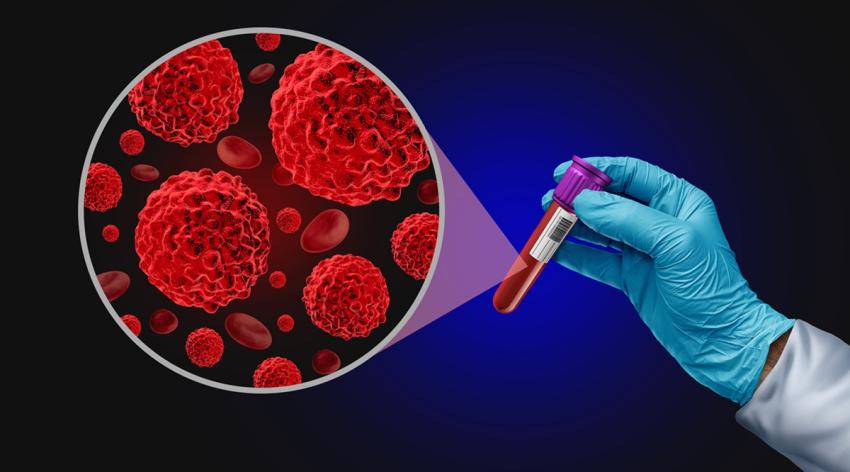
More screenings are being developed and used to detect evidence of disease in bodily fluids. But questions remain about reliability and implications for care.
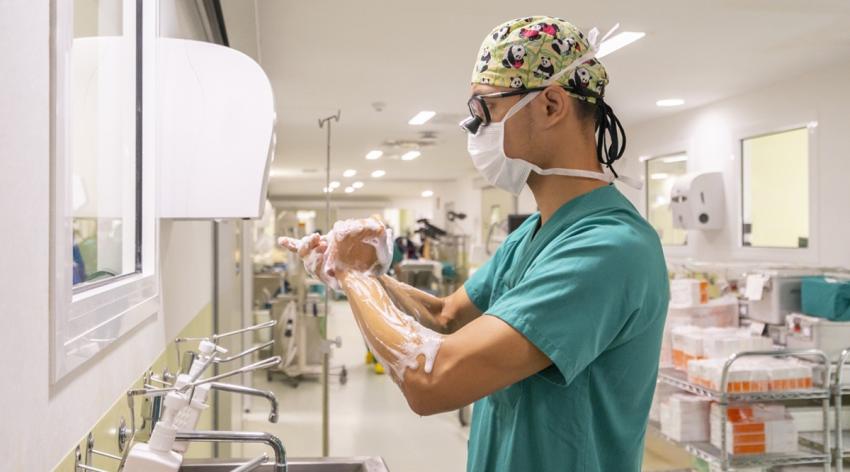
The World Health Organization says that antibiotic resistance rose during the COVID pandemic. But antibiotic stewardship and other efforts are yielding results.
Data from the past 18 years show how women have driven growth in the supply of physicians and expanded their presence in some of the largest specialties.
Through 55-word stories, students share aspects of their medical school experiences — from meaningful patient encounters to moments of joy and heartbreak.
Syphilis has reached alarming rates unseen in the U.S. since the 1950s. A CDC expert lays out steps to halt increases and prevent dramatic health problems.
From a Black doctor’s reckoning with medical racism to a history of the human heart, these books offer rich glimpses into the fascinating world of medicine.
As the climate changes, vector-borne diseases like dengue, Zika, and Lyme are expanding into more areas. That challenges physicians to recognize the symptoms.
As fewer medical faculty are awarded tenure, some suggest there must be new ways to protect those in academia from institutional and political retribution.
Increasing manmade and natural disasters require new thinking about the role of health care staff, effective triaging, community partnerships, and security.