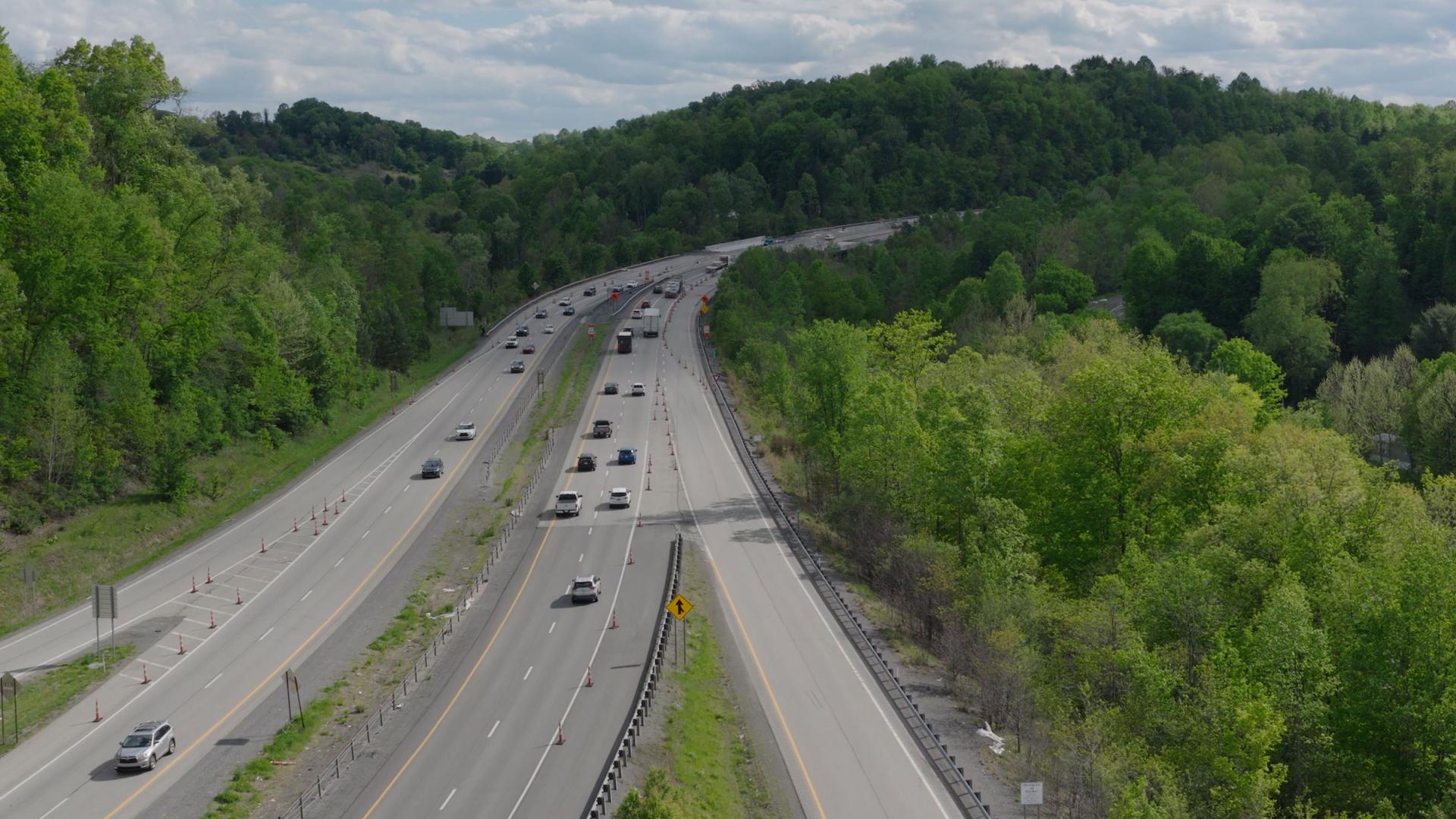
One West Virginia clinic confronts the shortage of specialty physicians in rural America
The trouble struck suddenly. Kimberly Stump was getting ready for work one morning last February when she passed out in the shower.
When Stump awoke after a few seconds, she saw floaters in her eyes. “Then I lost feeling in my left arm, and then it migrated down my body,” she recalls.
Stump drove herself from her home in Glenville, West Virginia, to the emergency department at Braxton County Memorial Hospital, run by West Virginia University (WVU) Medicine. The drive took 20 minutes.
“By the time I got there, I was completely blind in my left eye,” she says.
Doctors determined that Stump had suffered a transient ischemic attack (TIA): a brief episode of stroke-like symptoms caused by a temporary reduction in blood flow to part of the brain, a sort of neurological power outage. They referred her for more assessments and treatment at J.W. Ruby Memorial Hospital, the flagship of WVU Medicine, in Morgantown, West Virginia.
This posed challenges: The hospital had no open appointments for nearly three weeks, and it’s almost two hours from her home. Each trip would consume much of her day, require a day off from work, and drain precious money for gas.
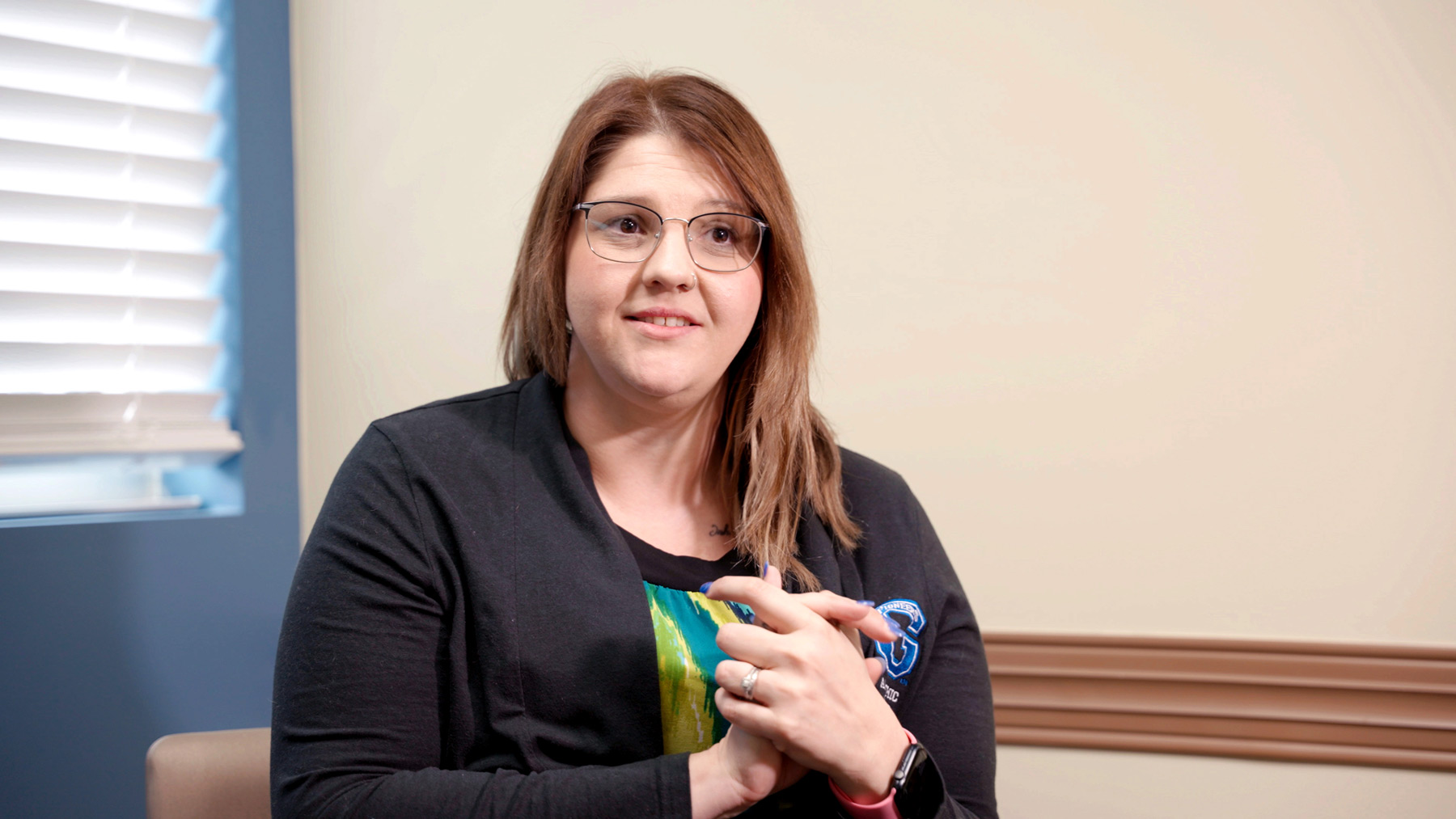
Kimberly Stump suffered stroke-like symptoms and drove herself to the emergency department at the local community hospital. She was referred for specialty neurological care, which she receives at WVU Medicine UHC Glenville Medical Center.
Photo credit: Marco Duran
Fortunately, Stump had another option: a WVU Medicine clinic in her town, where two WVU Medicine neurologists drive down from Morgantown once a month to see patients. The clinic serves people in rural areas who don’t have ready access to specialists.
“If not for the clinic, where would those people go for specialty care?” says John Brick, MD, who founded the neurology clinic in Glenville in 2022 and makes the monthly trek to see patients.
Stump saw Brick within days of her TIA. She calls the clinic “a blessing.”
“If this center didn't exist, I would have to miss work” to drive to Morgantown for treatments, Stump says. “It would cost me time. It would cost money for gas, but I don’t have extra.”
America’s doctor shortage
Stump’s initial difficulty in accessing specialty care is certainly not unusual. Anyone who has tried to make an appointment to see a new doctor, especially one with specialized experience, understands first-hand the challenges. Wait times to see a specialist in 12 major metropolitan areas average 31 days, an increase of 48% since 2004, according to AMN Healthcare, which has been tracking this data for more than two decades. The wait times in rural areas are even greater.
The reasons are multifactorial, but the biggest driver is a growing shortage of physicians. Workforce data from a range of sources, including the AAMC, project a shortage of up to 140,000 physicians in the next decade. In particular, the Health Resources and Services Administration (HRSA) projects a shortage of almost 70,000 primary care physicians by 2036, and an equal shortage of specialty physicians.
The primary reason for both the doctor shortage in general and the specialist shortage in particular is the growing, aging population of the United States. Since 2000, the U.S. population has grown by almost 20%, or roughly 58 million people. In addition, every day, more than 11,200 Americans turn 65, and by 2030, about 1 in 5 Americans will be 65 or older, according to U.S. Census data.
“Most people are aware of the aging population, but they don’t necessarily understand how much the population as a whole is growing,” says Michael Dill, director of workforce studies at the AAMC. “The population of the United States is projected to double in my lifetime. That’s a lot more people, and they need a lot more physicians.”
Rural communities face additional challenges
While rural areas have not faced the immense population growth that urban areas have, still, some 65.5 million people live in rural America, according to HRSA. Rural populations also are aging, with approximately 20% of rural residents 65 and older in 2022.
But access to health care has been in steady decline for decades. More than 195 rural hospitals have closed since January 2005, according to the Cecil G. Sheps Center for Health Services Research. While some of those hospitals have converted to primary care clinics or other health facilities, they no longer provide in-patient — or specialty — care.
What’s more, residents of rural areas have higher rates of heart disease, cancer, respiratory disease, diabetes, and dementia — all conditions that require specialty care.
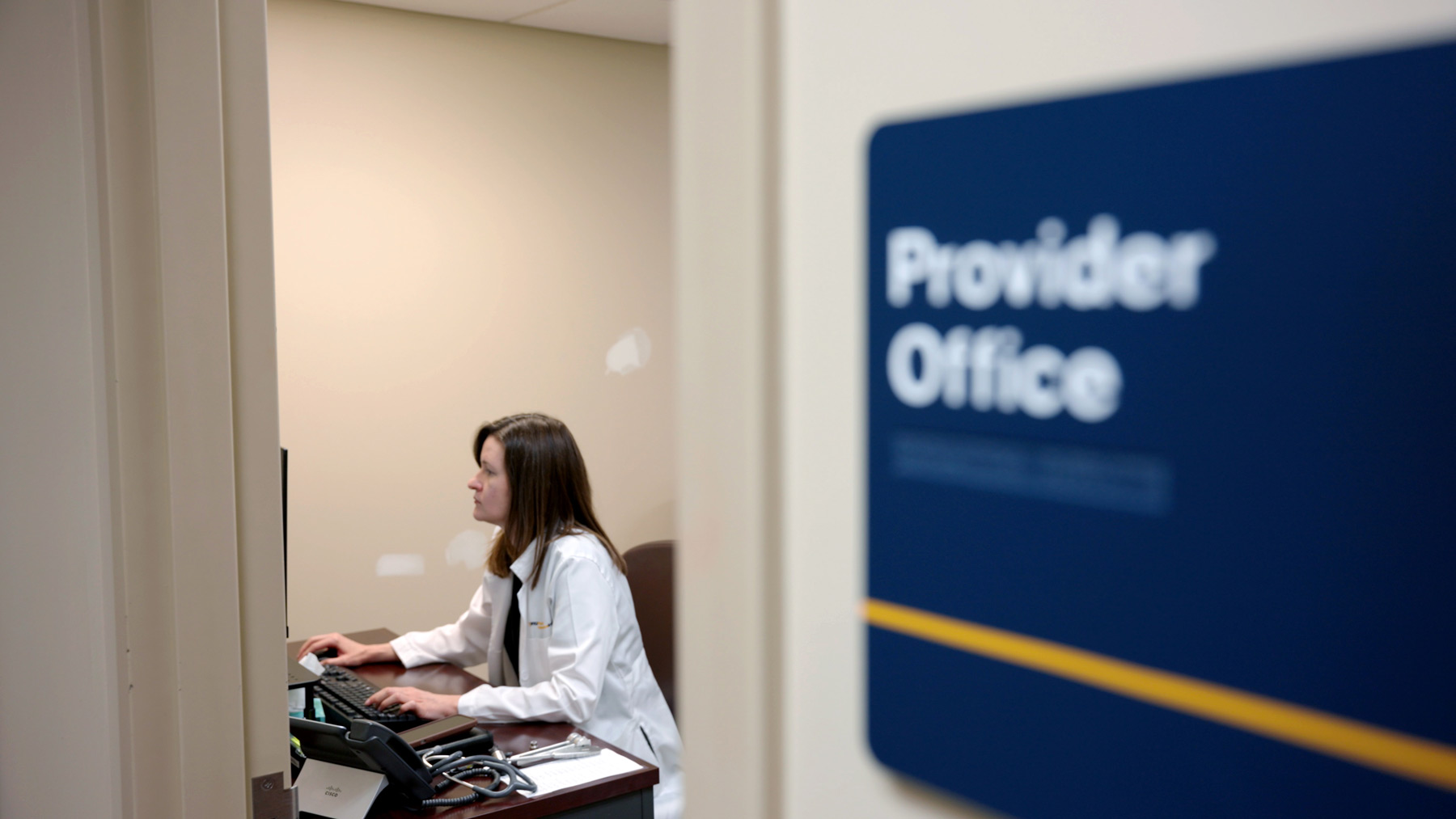
Melanie Ward, MD, a neurologist at WVU Medicine in Morgantown, West Virginia, travels to Glenville once a month to see patients there.
Photo credit: Marco Duran
Melanie Ward, MD, is a neurologist at WVU Medicine who treats patients with an array of brain disorders, including multiple sclerosis, dementia, stroke, epilepsy, and Parkinson’s disease. She and Brick travel to the Glenville center monthly to see patients.
One of her patients, Scott Heffner, comes for treatment of peripheral neuropathy — a nerve disorder affecting signals between the brain and the rest of the body that often causes weakness, numbness, and burning pain, typically in the hands and feet. Before his diagnosis and treatment, when he walked, his feet “felt like I got slapped with plywood,” he says. But he ignored the condition for a decade, because he needed to keep working as a driver for various companies.
When he started getting occasional treatment in cities with neurology specialists, including in Morgantown, the literal pain caused by the multi-hour round trip deterred him.
“We have patients all the time who have told us it's too hard to get here,” Ward says of the trip to the flagship hospital. “A lot of our patients don't have a car, or they have a car but they don't have gas money, or they have a car and they have gas money, but they can't drive and they don't have somebody to drive them. Trips that might seem feasible from the outside, lots of times are impossible for patients.”
All over rural America, people face similar obstacles: transportation challenges — exacerbated in recent months by rising gas prices; declining insurance coverage — at least 4 million Americans have dropped off the Affordable Care Act Marketplaces since premiums skyrocketed in January 2026, and millions more are expected to lose their Medicaid coverage when the full effects of the One Big Beautiful Bill Act of 2025 take effect; and lack of broadband access. Some specialists are available via telehealth, particularly in the wake of the COVID-19 pandemic, but without internet service, many rural residents are unable to take advantage of it.
“There are absolutely people with chronic, debilitating but treatable diseases that never get diagnosed and never get care,” Ward says. “That is tragic. This doesn't only affect the person's life, but their family around them, their community, their children.”
“The area that I live in has a lot of disabled people, and it’s low income,” adds Heffner, who lives with the assistance of disability benefits. “They have trouble getting to specialists. They have trouble with their cars. So having specialists that come closer makes it easier for all of us.”
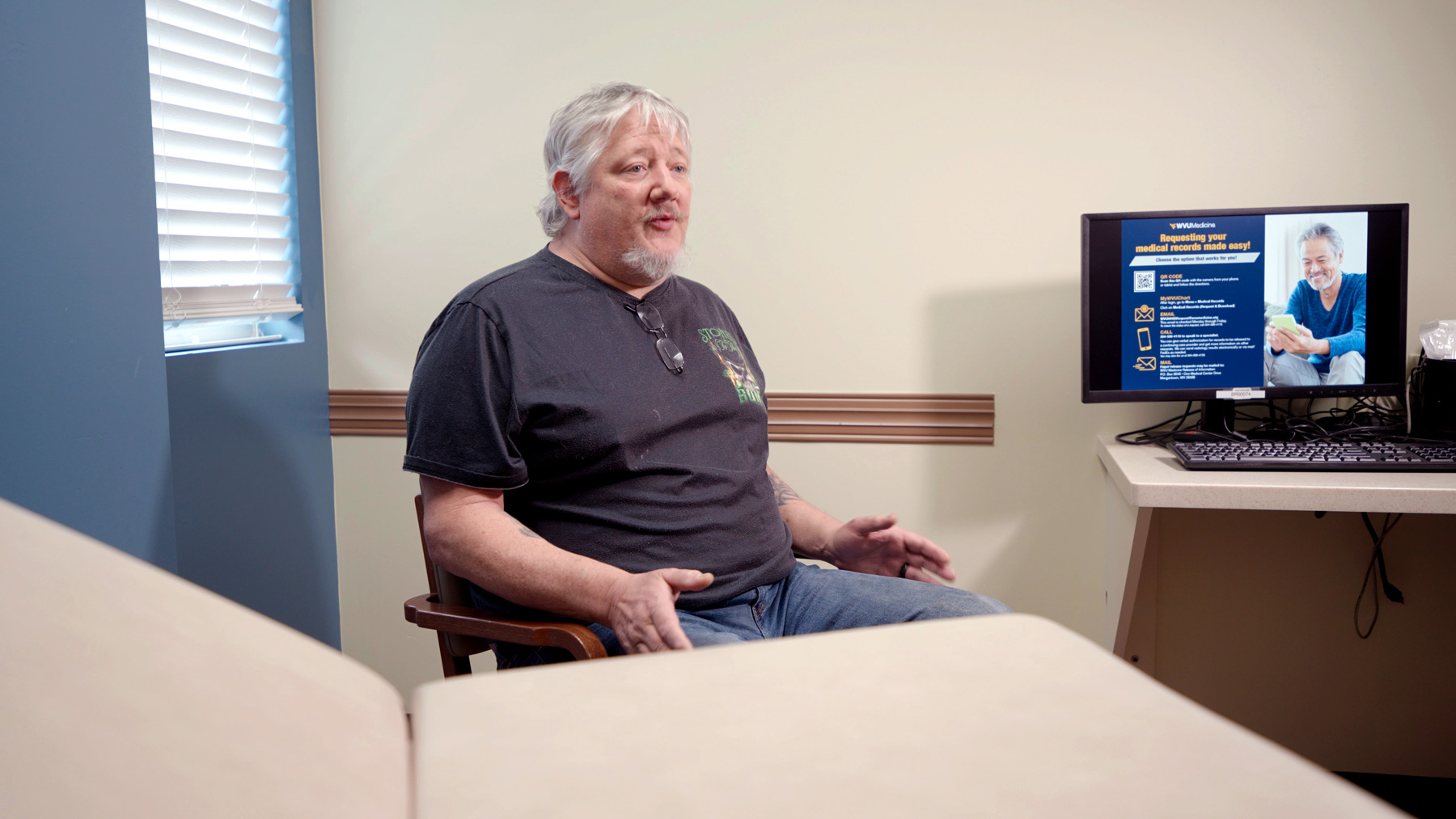
Scott Heffner suffers from peripheral neuropathy, which he ignored for a decade before seeking treatment, in part because it was so painful to drive for hours to see a specialist.
Photo credit: Marco Duran
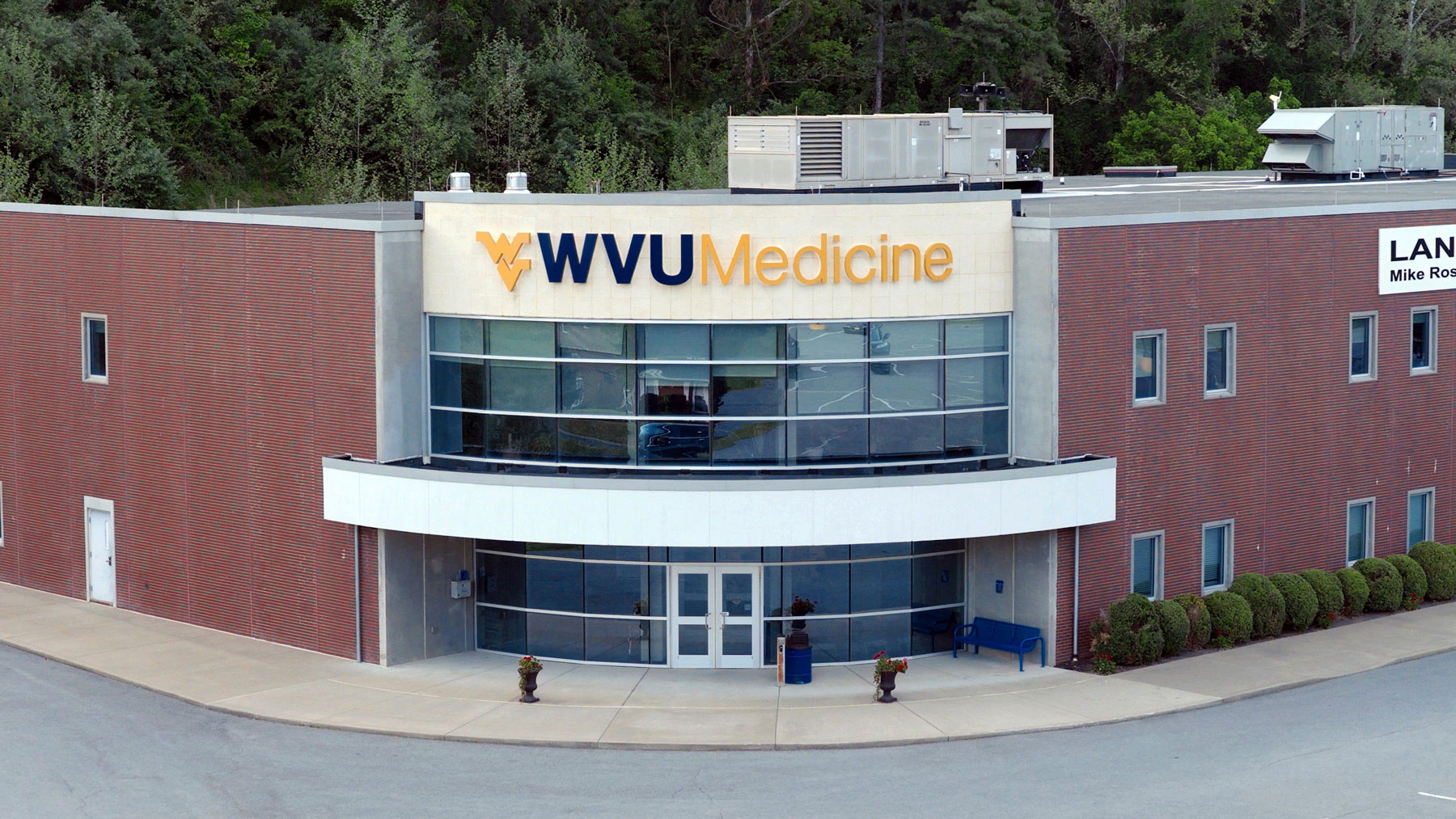
WVU Medicine UHC Glenville Medical Center serves more than 350 patients from at least nine counties in central West Virginia.
Photo credit: Marco Duran
One community’s response
WVU Medicine opened its outpatient facility in Glenville — the WVU Medicine UHC Glenville Medical Center — in 2022 to provide both primary and specialty care to the residents of central West Virginia. Home to about 1,100 people along the Little Kanawha River, in an area of Appalachian hills, narrow valleys, livestock farms, and small houses amid lots of open space, Glenville is centrally located to a dozen or more other small towns.
In addition to the monthly neurology clinic, the facility hosts specialists in cardiology, substance use disorder, pediatrics, and mental health — and provides primary care as well.
The center has more than 350 registered patients from at least nine counties. (In 2025, there were 2,623 patient visits to the center.) Shaunna Yokum, FNP-C, a nurse practitioner who essentially runs the center, says that wherever a patient is from, “if they get here, we will serve them.”
Stella Miles comes to the monthly neurology clinic in Glenville for treatment of Parkinson’s disease, which she had ignored for about two years because the symptoms seemed mild, creating tremors just in her right hand. When her symptoms spread to her whole right side, she sought out a specialist and heard of this clinic, which is approximately 60 miles from her home — half as far as Morgantown.
Miles comes in every six months. Asked where she would go if the clinic was not here, she says, “I don't know. I don't want to go to Morgantown. It's too far.”
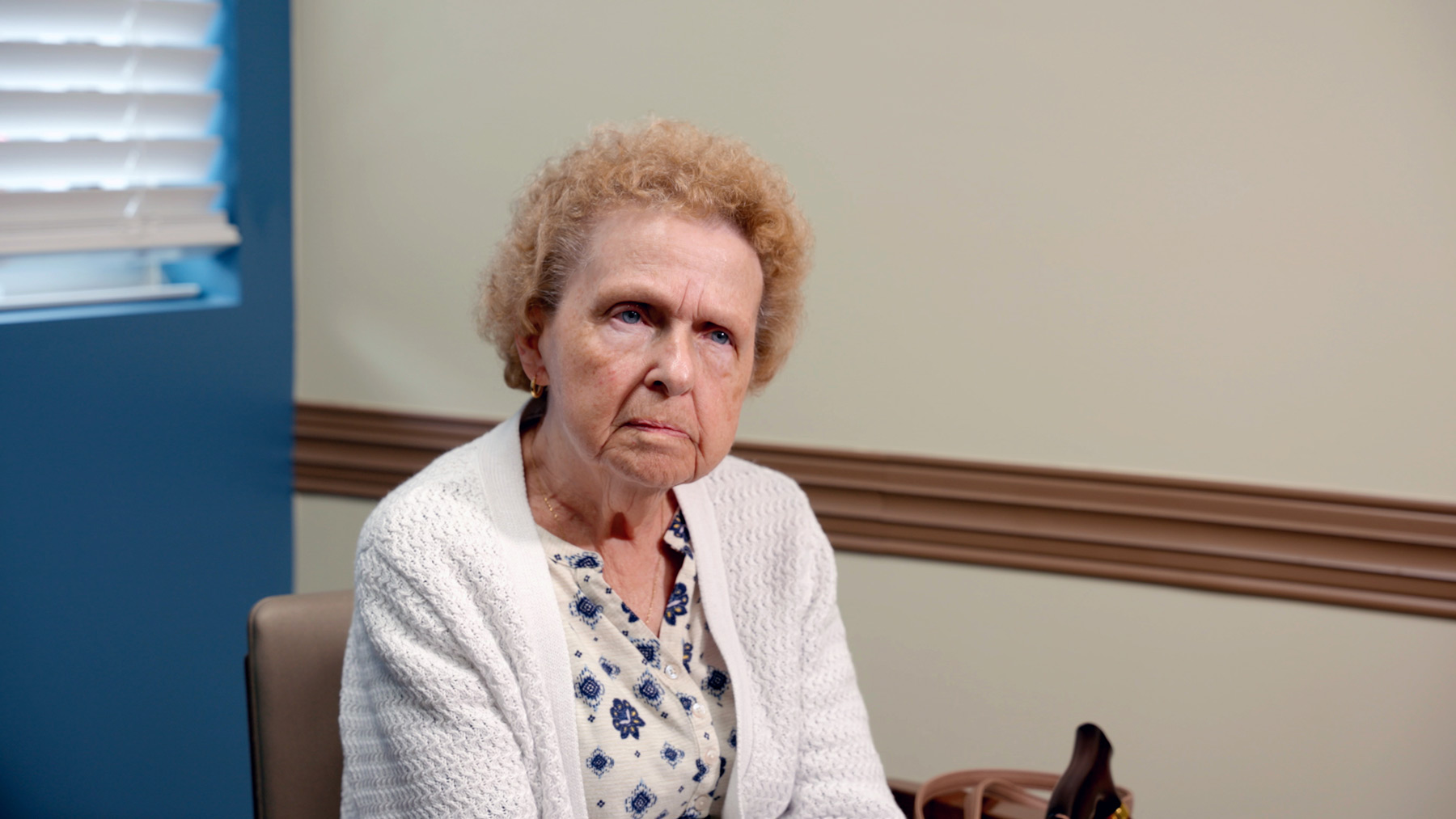
Stella Miles drives 60 miles from her home to the WVU Medicine clinic in Glenville. Even still, it’s about half as far as the main hospital in Morgantown.
Photo credit: Marco Duran
One of the main challenges the center strives to address is diagnosing and treating illnesses early on, when conditions can be handled most effectively. But many of the patients, like Heffner and Miles, come after long delays in care.
“People are coming here with very advanced and debilitating diseases that were going unmanaged for a very long time,” Yokum says.
“If people wait too long to seek care, we can’t undo old damage” caused by many neurologic conditions, Ward adds. “When we see people who have waited too long to see us, it really can be heartbreaking because we know we could have helped them more if we saw them earlier.”
Recruiting rural docs
Not every rural community is fortunate enough to have access to a facility like the one in Glenville, but rural clinics that import specialty doctors from further away are one short-term solution to the shortage of specialists in rural areas, according to a 2025 policy paper from the University of Washington Rural Health Research Center.
Some medical schools also have been recruiting students who grew up in rural areas. And more residency programs are offering rural medicine programs to give students experience practicing in rural areas before they complete their training. One study found that 82% of physicians from rural backgrounds who complete a rural residency program eventually choose rural practice.
WVU has several Rural Health Tracks — dedicated programs for residents interested in practicing in rural areas — as part of its Internal Medicine, Family Medicine, Emergency Medicine, Pediatrics, and Psychiatry residency programs. The programs teach residents how to “function in resource limited areas and navigate the difficulties of practice in rural settings.”
Nationwide, more than 100 accredited rural residency programs help train physicians to practice in rural areas, including more than 65 programs funded through HRSA’s Rural Residency Planning and Development Program. However, most train physicians in primary care specialties like family and internal medicine, rather than in specialty care.
Ward grew up in West Virginia and attended WVU School of Medicine, though she did her residency at the University of Virginia Medical Center. She returned to WVU to practice neurology.
“I feel very loyal to the people of West Virginia,” she says. “I feel very strongly that everybody should get the same care.”
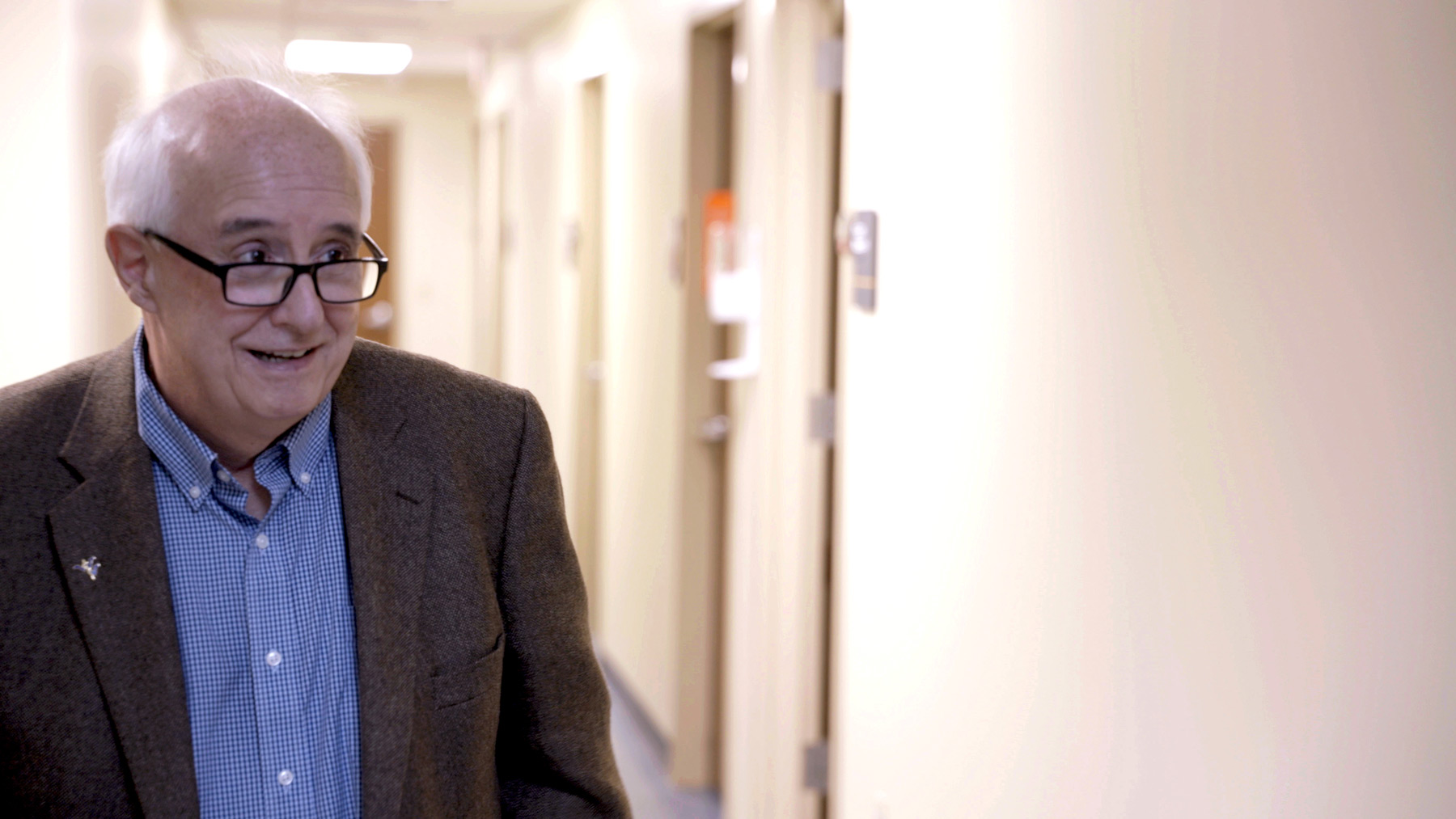
John Brick, MD, established WVU Medicine clinics in Glenville, Gilbert, and Summersville with his physician brother, James, to meet the tremendous need for specialty care in rural West Virginia.
Photo credit: Marco Duran
Similarly, Brick grew up in rural West Virginia, earned his medical degree and completed his residency at WVU, then returned to practice at WVU after his fellowship at the Mayo Clinic in Minnesota.
Brick recalls, as a young man, his grandmother traveling for hours to the Cleveland Clinic to get the only available care. As a doctor, he has heard people lament the absence of specialists in rural corners of the state. He and his physician brother, James, established clinics in several of those corners. (These include clinics in Glenville, Gilbert, and Summersville.)
“It’s my home,” Brick says about why he and his brother started the clinics. “There’s a big need here” for specialty care. “They asked for help and we wanted to help them.”
Brick retired in January 2024 after nearly 50 years at WVU, but early this year he resumed working one day a month at the Glenville clinic. Soon after daybreak on those days, he meets Ward at a parking lot along a highway just south of Morgantown, settles into the passenger seat, and they talk about their cases during the 90-minute drive to the clinic.
Traveling to patients is significantly different than patients traveling to doctors.
“For some people that little extra distance is going to be the difference between being seen and never being seen” by a specialist, Ward says.
In addition to recruiting rural doctors, other partial solutions to the specialist shortage in rural America include programs such as Project ECHO (Extension for Community Healthcare Outcomes), which connects primary care doctors in rural areas with specialists across the country and globally. Founded in 2003 at the University of New Mexico Health Sciences Center, Project ECHO facilitated more than 5,000 video-conferencing sessions with more than 81,000 specialists in all 50 states and Puerto Rico in 2025.
The AAMC also facilitates Project CORE®: Coordinating Optimal Referral Experiences, which uses tools embedded in a hospital’s electronic health system to connect physicians with specialists. In the Project CORE model, primary care physicians consult asynchronously with specialist colleagues, thus eliminating the need for an in-person patient visit.
Long-term solutions to the doctor shortage
But those are short-term solutions. Fixing America’s doctor shortage, including the shortage of rural specialty physicians, is a long game, in part because of how long it takes to train a fully licensed, practicing physician.
Typically, students must first graduate from college (three to four years), then attend medical school (another three to four years), and then three to seven years of residency. (Primary care physicians usually go through three to four years of residency, while specialists need up to seven years.) That’s between nine and 15 years of post-secondary education.
Another barrier to alleviating the doctor shortage concerns the funding of graduate medical education (GME) or residency. Currently, the Medicare program offsets some of the costs of training about 120,000 residents, but aside from congressionally directed increases in 2021 and 2023 (totaling 1,200 additional GME slots), that number has essentially been frozen since 1997.
The AAMC supports the bipartisan Resident Physician Shortage Reduction Act, which aims to increase the number of Medicare-funded GME positions by 14,000 over a seven-year period.
Efforts to increase the role of specialist physician associates (PAs) and nurse practitioners (NPs) also will help alleviate the doctor shortage both in the short and long term, says Brock Slabach, MPH, FACHE, chief operations officer for the National Rural Health Association.
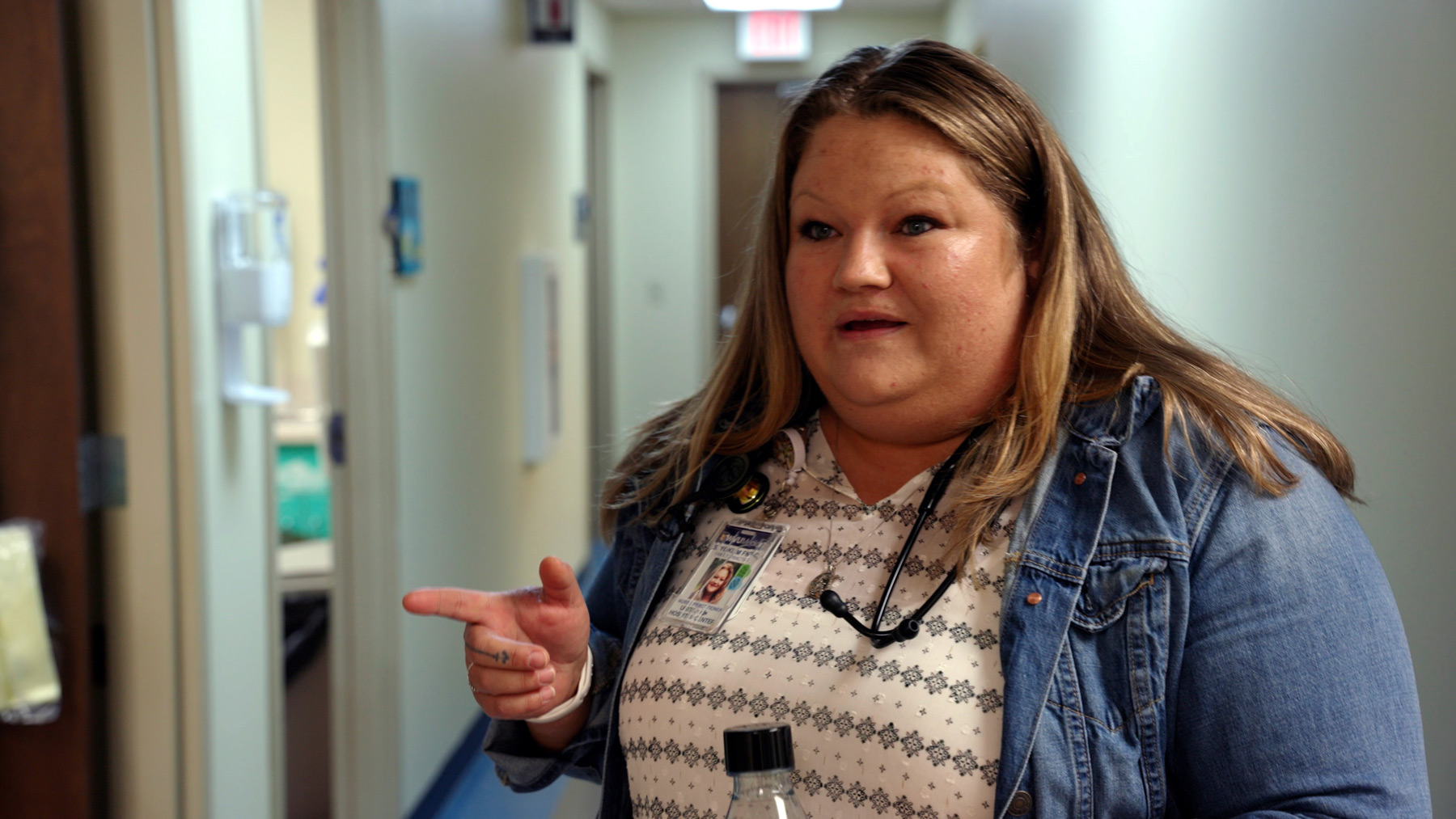
Nurse practitioner Shaunna Yokum runs the WVU Medicine clinic in Glenville and says patients become like family. “If you walk through these doors, you’re stuck with us,” she jokes.
Photo credit: Marco Duran
Slabach notes the success of the Rural Health Clinic (RHC) program, established by the Rural Health Clinic Services Act of 1977, which required NPs and PAs to provide primary care in rural communities and allowed those services to be reimbursed under Medicare and Medicaid. Today, there are 5,700 federally certified RHCs operating across 47 states and serving more than 38 million rural Americans.
That same model could help alleviate the specialist shortage in rural America as well, Slabach believes. “Nurse practitioners and physician assistants have become commonplace in most all specialties.”
In the meantime, the clinic in Glenville continues to see an influx of patients. As the center’s primary care provider, Yokum cares for patients, schedules their appointments with specialists like Brick and Ward, refers them to other doctors as needed, and counsels them about medications and overall health care.
“I tell people when they come here, for better or worse, you just became family,” Yokum says. “If you walk through these doors, you're stuck with us.”
“It's important for everyone to understand that this is sometimes life or death when it comes to people being able to access care,” Ward says. “It's important to remember that there are people who live much different lives than we do, and they deserve as good of care as anybody else in the world.”
Credits
Reported and written by: Gabrielle Redford and Patrick Boyle
Video Producer: Laura Zelaya
Executive Producers: Gregory Gilderman and Mia Bechak
Executive Digital Producer: Issa Chan
Digital Producers: Nick Simson and Victoria Gunawan
Video Co-Producers: Marco Duran and De’Angello Powe
Photo Editor: Mukti Desai
Copy Editor: Elena Marinaccio
Communications: John Buarotti
Project Manager: Vicky Valery
The AAMC thanks the following academic medical institutions for dedicating staff and resources to record interviews with their doctors and patients on site:
- WVU Medicine UHC Glenville Medical Center
- West Virginia University School of Medicine