About Telehealth Competencies
Historical Context of Telehealth Competencies
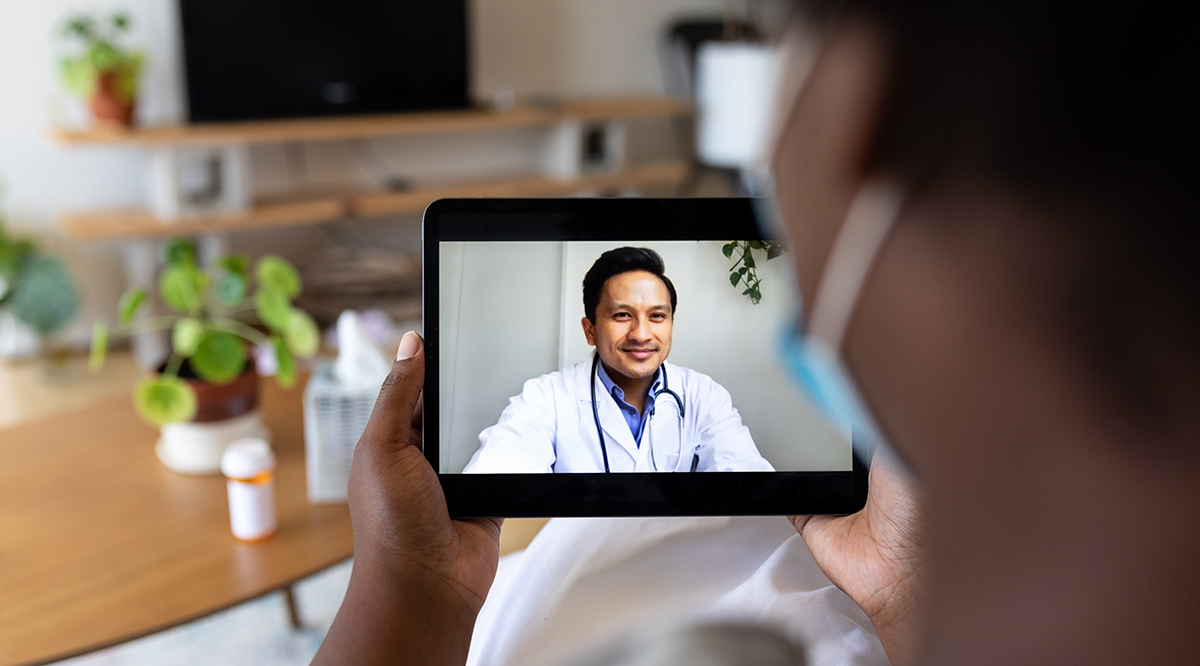
Telehealth, defined as the use of technology to deliver health care at a distance, has become an increasingly important and commonly used tool for delivering care to patients, especially since the COVID-19 pandemic intensified the need. Even before COVID-19, providers’ use of telehealth in academic health systems and teaching hospitals was growing steadily.
In 2016, to better understand the evolving role of telehealth, the AAMC hosted a meeting of national telehealth experts to discuss the opportunities and risks for telehealth for academic medicine. The message from participants was clear: If telehealth were to be useful in the provision of high-quality care and adopted by clinicians in a generalizable and sustainable way, providing training in telehealth to the clinician workforce would be essential; therefore, a set of consensus physician competencies in telehealth was needed.
To address this need, the AAMC established a Telehealth Advisory Committee, tasked with first identifying the skills needed by physicians to provide high-quality care via telehealth, independent of setting or specialty.2 Once the skills were identified, the committee brought in additional education experts to help translate the skills into competencies for each stage of the medical education continuum. Since their creation, the competencies have provided a foundation of support for helping medical schools and academic health systems provide excellent telehealth training to physicians and other clinicians.
Rationale for Revisiting the Telehealth Competencies
The initial version of the telehealth competencies was developed at a time when telehealth adoption was accelerating but not yet ubiquitous. Since its release, telehealth has become an integral and routine component of clinical care delivery across specialties, settings, and patient populations. The scale, complexity, and diversity of telehealth use have increased substantially, extending beyond episodic virtual encounters to longitudinal care models, hybrid workflows, remote monitoring, team-based virtual care, and expanded use of patient-generated data.
As telehealth moved from an emerging modality to a core component of clinical practice, educators and clinicians gained valuable experience implementing the competencies in real-world educational and clinical environments. This experience highlighted areas where expectations had evolved, where certain skills required greater emphasis or clarity, and where new competencies were needed. In parallel, advances in digital health technologies — including the growing influence of artificial intelligence and data-driven tools — prompted deliberate consideration of how these developments should be reflected within telehealth competencies.
The working group specifically explored whether and how to incorporate AI into the revised competencies, recognizing its rapidly expanding role in clinical care and virtual service delivery. Ultimately, the decision was made not to explicitly embed AI competencies within this framework, given that the AAMC is concurrently developing a dedicated set of AI competencies for release in fall 2026; however, the group acknowledged AI as a critical and evolving area that intersects closely with telehealth. As such, medical educators will need to consider the complementary roles of telehealth and AI and how these domains collectively shape future models of care, education, and assessment.
Summary of Revisions
Revisions to the telehealth competencies were informed by widespread implementation, evolving models of care delivery, and advances in digital health. Collectively, the updates reflect both maturation of telehealth practice and insights gained from applying the competencies in real-world educational and clinical settings. The reasons for updating the competencies fall within at least one of the six thematic areas outlined below.
- Improved clarity and usability through more concise and streamlined language, removal of redundancy, and greater consistency across domains and developmental tiers.
- Clearer developmental progression across the learning continuum, with more explicit differentiation between foundational knowledge and applied clinical skills, and more explicit teaching and role-modeling competencies for faculty-level clinicians.
- Expanded topics and scope that reflect adaptations to current practice patterns and evolving technology.
- Better alignment with the competency-based medical education framework to support applicability across specialties.
- Intentional consideration of emerging technologies, including AI and data-driven tools, to ensure the competencies remain responsive to evolving modes of virtual care, while maintaining focus on foundational clinical judgment, professionalism, and patient-centered care.
- Enhanced focus on digital fluency and system-level change.
Details on changes made to specific domains are outlined in Appendix A.
Organization of the Competencies
Intended Audience and Uses
These cross-continuum competencies are intended to help educators design and deliver curricula and related activities, and to help learners in their professional development in telehealth. The cross-continuum competencies supplement existing competencies (e.g., entrustable professional activities and milestones) with more detail; guide telehealth curricular and professional development, formative performance assessments, and cross-continuum collaborations; and, ultimately, improve health care services and outcomes. They are not intended to be used for high-stakes assessments or accreditation of schools, programs, or institutions. They are for use in:
- Engaging all health care professionals in collaborative telehealth discussions, including cross-continuum and cross-discipline colleagues.
- Conducting gap analyses of local curricula and training programs.
- Planning individual professional development.
- Developing curricular learning objectives.
- Developing assessment tools.
- Furthering research and scholarship in medical education and telehealth.
- Guiding the strategic integration of telehealth into the curricula and clinical learning environment.
Caveats and Limitations
To further clarify the design and use of these competencies, please note these important caveats and limitations:
- The competencies are tiered according to level of practice: entry to residency education (Tier 1), entry to independent practice (Tier 2), and experienced faculty physician (Tier 3).
- Depending on local resources and environments, some users may consider certain competencies aspirational, while other may be below expectation.
- These domains are not mutually exclusive or exhaustive; some competencies may align with more than one domain. The competencies are organized into the domains based on the consensus of the subcommittee for quality improvement and patient safety (QIPS) and feedback from hundreds of stakeholders via focus groups and surveys (described below).
- Given the rapidly evolving nature of telehealth and digital health technologies, these competencies will require periodic review and updating.
Competency Domain I: Patient Safety and Appropriate Use of Telehealth
Clinicians will understand when to use telehealth and why, and how to assess patient readiness, patient safety, practice readiness, and end-user readiness (Table 1).
Table 1
Tier 1:Recent Medical School Graduate
(Entering Residency) |
Tier 2: Recent Residency Graduate
(Entering Practice, including competencies in Tier 1) |
Tier 3: Experienced Faculty Physician
(3-5 Years Post-Residency and Beyond, including competencies in Tiers 1 & 2) |
| 1a. Explains to patients and caregivers the uses, modalities, limitations, and benefits of telehealth (FC: ICS 5; PCPS 1, 8; MK 5) |
1b. Incorporates appropriate telehealth modalities in the context of the limitations and benefits of telehealth |
1c. Role models and teaches how to incorporate different modalities of telehealth into practice, mitigates risks of providing care at a distance, and assesses methods for improvement |
| 2a. Works with diverse patients and caregivers to determine patient and caregiver access to technology to incorporate into patient care (FC: PCPS 1, 11; ICS 2, 3; SBP 4, 5) |
2b. Demonstrates and problem-solves patient and practice barriers to incorporating telehealth into patient care (e.g., access to and comfort with technology) |
2c. Role models and teaches how to partner with both patients and caregivers to incorporate telehealth into patient care |
| 3a. Explains to patients and caregivers the roles and responsibilities of team members in telehealth encounters (FC: ICS 1,2,5) |
3b. Demonstrates an understanding of all roles and works as a team member when practicing telehealth |
3c. Coordinates, implements, and evaluates the effectiveness of the telehealth team |
| 4a. Recognizes and describes when and how to escalate care during telehealth encounter to ensure patient safety (FC: PCPS 4) |
4b. Prepares for and escalates care when patient safety is at risk during a telehealth encounter (e.g., converts to in-person visit or emergency response) |
4c. Role models and teaches how to assess patient safety during a telehealth encounter, including preparing for and escalating care when patient safety is at risk (e.g., converts to in-person visit or emergency response) |
Competency Domain II: Access to Health
To ensure all communities have an equal opportunity to thrive, clinicians will understand how to deliver telehealth that addresses and mitigates cultural and physician biases. This practice will account for physical and mental disabilities and nonhealth-related needs and limitations of individuals and communities (Table 2).
Table 2
Tier 1:Recent Medical School Graduate
(Entering Residency) |
Tier 2: Recent Residency Graduate
(Entering Practice, including competencies in Tier 1) |
Tier 3: Experienced Faculty Physician
(3-5 Years Post-Residency and Beyond, including competencies in Tiers 1 & 2) |
| 1a. Describes one’s own implicit and explicit biases and their implications when considering telehealth (FC: Prof 7,8) |
1b. Describes and mitigates one’s own implicit and explicit biases when practicing telehealth |
1c. Role models and teaches how to recognize and mitigate biases when practicing telehealth |
| 2a. Defines how telehealth can mitigate or amplify gaps in access to care (FC: PCPS 11; SBP 2, 5, 6) |
2b. Leverages telehealth to mitigate gaps in access to care |
2c. Promotes the use of telehealth to improve access to care and advocates for policy changes |
| 3a. Assesses the patient’s needs, preferences, access, and potential cultural, social, physical, cognitive, linguistic and other communication challenges to telehealth use (FC: PCPS 1; ICS 1; SBP 5,6) |
3b. Partners with patients to accommodate their needs, preferences, and potential cultural, social, physical, cognitive, and linguistic and communication challenges to telehealth use |
3c. Role models how to advocate for improved access and to accommodate the patient’s needs, preferences, and potential cultural, social, physical, cognitive, and linguistic and communication challenges to telehealth use |
FC, foundational competencies; ICS, interpersonal and communication skills; PCPS, patient care and procedural skills; Prof, professionalism; SBP, systems-based practice.
Competency Domain III: Communication
Clinicians will effectively communicate with patients, families, caregivers, and health care team members using telehealth technologies. They will demonstrate the ability to both transmit and receive information to promote effective knowledge exchange, professionalism, mutual understanding, and the development of therapeutic relationships (Table 3).
Table 3
Tier 1:Recent Medical School Graduate
(Entering Residency) |
Tier 2: Recent Residency Graduate
(Entering Practice, including competencies in Tier 1) |
Tier 3: Experienced Faculty Physician
(3-5 Years Post-Residency and Beyond, including competencies in Tiers 1 & 2) |
| 1a. Develops an effective rapport with patients by attending to eye contact, emotion, tone, body language, and nonverbal cues (FC: Prof 1,4; ICS 1,3,4) |
1b. Develops an effective rapport with patients attending to eye contact, emotion, tone, body language, and nonverbal cues during telehealth encounters |
1c. Role models and teaches effective rapport-building with patients by attending to eye contact, emotion, tone, body language, and nonverbal cues |
| 2a. Describes the importance of the therapeutic environment and attends to clinician disruptions related to privacy, lighting, sound, and attire (FC: SBP 6; Prof 2, 4; PCPS 8) |
2b. Establishes therapeutic relationships and environments with patients and attends to clinician disruptions related to privacy, lighting, sound, and attire during telehealth encounters |
2c. Role models effective therapeutic and environments during telehealth encounters |
| 3a. Explains why, and how patients’ social support and health care providers should be incorporated into telehealth interactions and the care plan (FC: ICS 1, 2; PCPS 1, 11) |
3b. Determines situations in which patients’ social support and health care providers should be incorporated into telehealth interactions, with the patients’ consent, to provide optimal care |
3c. Role models and teaches how to incorporate patients’ social support into telehealth interactions, with the patients’ consent, to provide optimal care |
| 4a. Explains the importance of being able to communicate with patients to give directions to appropriately gather information, assess and provide a therapeutic plan (FC: Prof 4; PCPS 8; ICS 4,5) |
4a. Communicates with patients to give directions to appropriately gather information, assess and provide a therapeutic plan |
4a. Role models communicating with patients to give directions and appropriately gather information, assesses and provides a therapeutic plan |
Competency Domain IV: Information Gathering and Clinical Assessment
Clinicians will obtain and manage clinical information to ensure appropriate high-quality care (Table 4).
Table 4
Tier 1:Recent Medical School Graduate
(Entering Residency) |
Tier 2: Recent Residency Graduate
(Entering Practice, including competencies in Tier 1) |
Tier 3: Experienced Faculty Physician
(3-5 Years Post-Residency and Beyond, including competencies in Tiers 1 & 2) |
| 1a. Obtains history (from patient, family, and/or caregiver) during a telehealth encounter and incorporates the information into differential diagnosis (FC: PCPS 1,2,5; MK 1,2,3) |
1b. Obtains history (from patient, family, and/or caregiver) during a telehealth encounter and incorporates the information into differential diagnosis and the management plan |
1c. Role models and teaches the skills required to obtain a history (from patient, family, and/ or caregiver) during a telehealth encounter and incorporates the information into the management plan |
| 2a. Conducts appropriate physical examination or collects relevant data on clinical status during a telehealth encounter, including guiding the patient and/or tele-presenter (FC: PCPS 3,9; SBP 3; ICS 4) |
2b. Performs a clinically relevant physical exam, appropriate to the setting and the patient’s ability to participate and incorporates information into differential diagnosis and management plan |
2c. Role models and teaches the skills to perform a clinically relevant physical exam, appropriate to the setting and the patient’s ability to participate and incorporates information into differential diagnosis and management plan |
| 3a. Explains the importance of patient-generated data (e.g., cardiac monitor continuous glucose monitor, vitals kit) and explains how it contributes to clinical decision-making in telehealth (FC: MK 3; SBP 5; PCPS 6, 8) |
3b. Integrates relevant patient-generated data into the clinical assessment and treatment plan, while evaluating the quality, reliability, and limitations of such data in virtual care |
3c. Role models and teaches how to evaluate and incorporate patient-generated data into clinical decision making, and teaches patients how to gather, document, and share health data effectively to inform remote care plans |
| 4a. Explains the importance of optimizing information gathering from the patient’s environment (e.g., examine prescription bottles, observe accessibility) (FC: Prof 4; PCPS 1,2,11; SBP 6) |
4b. Optimizes information gathering by utilizing the patient’s environment (e.g., examine prescription bottles, observe accessibility) |
4c. Role models and teaches how to optimize information gathering by utilizing the patient’s environment (e.g., examine prescription bottles, observe accessibility) |
FC, foundational competencies; ICS, interpersonal and communication skills; MK, medical knowledge; PCPS, patient care and procedural skills; Prof, professionalism; SBP, systems-based practice.
Competency Domain V: Digital Literacy
Clinicians will have the basic technological knowledge and skills needed for the delivery of high-quality telehealth services; i.e., identifying and accessing technology, applying their knowledge and skills, and confidently conducting a telehealth visit (Table 5).
Table 5
Tier 1:Recent Medical School Graduate
(Entering Residency) |
Tier 2: Recent Residency Graduate
(Entering Practice, including competencies in Tier 1) |
Tier 3: Experienced Faculty Physician
(3-5 Years Post-Residency and Beyond, including competencies in Tiers 1 & 2) |
| 1a. Explains the importance of telehealth digital literacy (FC: PCPS 1; PBLI 5; SBP 2,5) |
1b. Assesses telehealth digital literacy for both provider and patient |
1c. Role models how to assess patient’s digital literacy and teaches how to improve telehealth digital literacy |
| 2a. Explains the equipment required and limitations of the technology used at both the originating and distant sites (FC: SBP 5) |
2b. Appropriately uses equipment at both originating and distant site and uses evidence-based technologies, including patient-owned devices, understanding limitations |
2c. Role models and teaches how to use equipment at both originating and distant site and incorporate emerging evidence-based technologies into practice, remaining responsive to the strengths and limitations of evolving applications of technology |
| 3a. Explains the risk of technology challenges (e.g. sound and/or visual) and the need to respond to them (FC: ICS 1,5; SBP 3,5,6) |
3b. Demonstrates how to troubleshoot basic technology challenges |
3c. Teaches others how to troubleshoot basic technology challenges and when to escalate (e.g. IT, risk management, compliance) |
FC, foundational competencies; ICS, interpersonal and communication skills; PBLI, practice-based learning and improvement; PCPS, patient care and procedural skills; SBP, systems-based practice.
Competency Domain VI: Legal Requirements and Ethical Practices
Clinicians will understand where to find the federal, state, and local facility practice requirements to meet the minimal standards to deliver health care via telehealth. Clinicians will minimize risk to the clinician and patient during telehealth encounters, putting the patient’s interest first, and preserving or enhancing the doctor-patient relationship (Table 6). (definition edited for clarity)
Table 6
Tier 1: Recent Medical School Graduate
(Entering Residency) |
Tier 2: Recent Residency Graduate
(Entering Practice, including competencies in Tier 1) |
Tier 3: Experienced Faculty Physician
(3-5 Years Post-Residency and Beyond, including competencies in Tiers 1 & 2) |
| 1a. Describes locally relevant telehealth legal and privacy regulations as well as ethical considerations (FC: Prof 2,3; SBP 7) |
1b. Complies with legal and privacy regulations for telehealth at the local, state, and federal levels and recognizes ethical considerations |
1c. Role models complying with legal and privacy regulations for telehealth at the local, state, and federal levels and teaches about ethical considerations |
| 2a. Defines types of required consent for telehealth encounters (e.g., billing, assessment) (FC: Prof 2; SBP 5) |
2b. Obtains appropriate consent |
2c. Role models and teaches how to obtain appropriate consent and adjust to regulatory changes |
| 3a. Demonstrates knowledge of ethical challenges and professional requirements in telehealth (FC: Prof 2,3) |
3b. Identifies and supports solutions that mitigate ethical problems and adhere to professional requirements in telehealth |
3c. Identifies and seeks to address system-level solutions to ethical challenges that adhere to professional requirements in telehealth |
| 4a. Describes potential conflicts of interest that may arise such as interest in commercial products or services (FC: Prof 3) |
4b. Explains and discloses potential conflicts of interest to patients |
4c. Explains and ensures all members of the care team disclose possible conflicts of interests |
FC, foundational competencies; Prof, professionalism; SBP, systems-based practice.
Telehealth Curricula Profiles
This section includes brief profiles of telehealth curricula which demonstrate many innovative approaches to teaching and learning about telehealth.
Participating member school: UC Davis Health
Medical Educators: James Marcin, MD, MPH
UC Davis Health has a long history of using digital and telehealth technologies to improve patient care. Since its inception, the numerous telehealth programs have been integrated into care delivery and have provided real-time clinical services in nearly 50 pediatric and adult specialties. The schools of medicine and nursing, along with the Center for Health and Technology, have provided digital and telehealth curricula for physicians and other providers throughout the care continuum, as well as education directed to community-based health care providers and their patients.
In the school of medicine, this has translated into continuing education and training for medical students, residents, and practicing physicians. With students in the early phases of their medical education, it works to impart the basic needs for any telehealth visit (Domain 1):
- Establishing that the patient is comfortable with the digital or video encounter (Domains 2 and 5).
- Safeguarding that high-quality care is provided (Domain 4).
- Ensuring that the patient’s wishes are addressed (Domain 3).
The teaching and training emphasize key techniques for working within the digital and telehealth environments to enable clinicians to provide the highest quality patient-centered care, no matter the modality or model (Domain 6). The models and designs facilitate both the teaching and clinical workflows, enabling attending physicians to supervise and assess students and residents during all types of digital and telehealth encounters. UC Davis’ digital and telehealth curricula was developed with an educational continuum in mind to train health care providers on a variety of digital and telehealth models of care and to document their mastery of them (Domain 4).
Participating member school: Medical College of Georgia at Augusta
Medical Educators: Daniel Kaminstein, MD, MSEd, FACEP; Robert Broughton, MD
At the Medical College of Georgia at Augusta University (MCG), telehealth is taught from the first week of medical school as a longitudinal, real-patient clinical experience that is fully integrated into the 18-month preclerkship curriculum. Students work in dyads and care for the same patient over the course of 12 structured visits, meeting every four weeks to supplement the patient’s ongoing primary care within our health system. These patients are adults with chronic disease, who remain under the care of their established primary care physicians. The visits enable students to develop telehealth competencies while learning chronic disease management, oral presentation skills, and electronic medical record (EMR) documentation. All participating patients volunteer for and benefit from additional care while serving as teachers for students. Standardized patients and scripted encounters serve as backup options when patients are unavailable, ensuring every student completes a telemedicine visit each month. Across the curriculum, students complete a series of repeated encounters designed to build telehealth-specific competencies and clerkship readiness through authentic continuity of care and progressive responsibility.
Each telehealth visit is followed immediately by a structured, 20-minute, dyad-specific faculty debrief focused on two core deliverables: high-quality clinical documentation and a coherent plan. Dedicated telehealth faculty remain available throughout each visit and review cases with students immediately upon conclusion, emphasizing clinical reasoning skills that reinforce morning didactic content. Students conduct visits from dedicated classroom space while patients connect from home using the integrated telehealth platform within our EMR. Students document in the live EMR environment using a dedicated student telehealth visit note, which faculty subsequently review and cosign.
Extensive feedback is central to the model: Students receive real-time coaching during debriefs and additional asynchronous feedback after faculty have reviewed and signed the documentation. All feedback is aligned to AAMC telehealth competencies and relevant entrustable professional activities to ensure students develop the presentation and documentation skills expected on inpatient and outpatient clerkship teams. Additionally, the feedback is tracked at the student level to enable monitoring of progress toward independent, clerkship-level practice.
The MCG telehealth curriculum is grounded in experiential learning theory and Vygotsky’s Zone of Proximal Development, operationalizing the principle that medical students learn best through carefully scaffolded, real-patient interactions from the first day of medical school. This framework supports the simultaneous development of both telehealth-specific competencies and the broader skills of clinical reasoning, communication, and documentation that are essential for residency-ready physicians. Through structured support and progressive independence, this framework transforms patient encounters into opportunities for consistent, developmental outcomes.
Participating member school: Texas Tech University Health Sciences Center (TTUHSC) School of Medicine
Medical Educators: Milcah Poothakary (MS2); Edwin Paul, MPH (MS2); Lekha George, MD; Ariel Santos, MD, MPH, FRCSC, FACS, FCCM
Texas Tech University Health Sciences Center (TTUHSC) is committed to providing in its curriculum basic knowledge of telehealth, as well as online module trainings in our Frontier in Technology Laboratory using objective, structured clinical examination. A telemedicine elective was recently created incorporating the Extension for Community Healthcare Outcomes (Project ECHO) model, with participation from the West Texas Cardiometabolic ECHO (MeWRECHO) and Marathon-Fort Davis rural telehealth project. This hub-and-spoke, case-based, tele-mentoring framework connects academic specialists with primary care clinicians practicing in rural and underserved West Texas communities. Using secure videoconferencing platforms, faculty lead a monthly multidisciplinary telemedicine grand round, during which complex clinical cases are discussed in real time. Medical students participate by presenting cases alongside specialists; contributing to community-focused outreach sessions; and developing evidence-based, clinical toolkits, such as cardiometabolic treatment algorithms, care pathways, and patient education resources (shared through the ECHO platform for ongoing use by frontline providers). Our medical students also collaborate with TexLa Telehealth Resource Center by promoting the use of telemedicine and participating in its Telehealth at the Crossroads Conference.
Embedded within these ECHO activities is the Telemedicine Club curriculum, developed by students and focusing on core AAMC telehealth competencies, particularly Access and Equity in Telehealth, Communication via Telehealth, and Ethical and Appropriate Use of Telehealth (now Domain VI: Legal Requirements and Ethical Practices). Students in the club engage in interprofessional, cross-continuum discussions with physicians, nurses, behavioral health professionals, medical librarians, and other allied medical practitioners and community partners, gaining direct exposure to how telehealth can address geographic, socioeconomic, and workforce barriers in rural West Texas.
In alignment with AAMC guidance, these students also conducted gap analyses of local curricula and training programs, identifying limitations in traditional medical education regarding telehealth preparedness and rural care delivery. This experiential approach strengthened telehealth competency development while preparing students to think critically about system-level solutions, collaborative workforce models, and scalable strategies to improve access to specialty care for everyone. This will also prepare medical students while they perform regular virtual clinics, telepsychiatry and telesurgery services, and provide services and other offerings through the Correctional Managed Health Care program and state-sponsored telemedicine offerings like Texas Child Health Access Through Telemedicine. This educational activity aligns with Tiers 1-3 (Recent Medical School Graduate, Recent Residency Graduate, and Experienced Faculty Physician) of Domain IV of the AAMC telehealth competencies, Information Gathering and Clinical Assessment.
Participating member school: Stanford University School of Medicine
Medical Educators: Rika Bajra, MD
Telemedicine has become a core modality of clinical care; however, formalized approaches to teaching and assessing telemedicine competencies in undergraduate medical education remain underdeveloped. To address this gap, our program developed entrustable professional activities (EPAs) for telemedicine competency assessment for medical students. The goal of this project was to define observable and assessable behaviors that reflect safe, effective, and patient-centered telemedicine practice, while aligning telemedicine education with competency-based medical education principles. These EPAs are intended to support the curricular integration of telehealth into medical school curricula, guide faculty assessment, and prepare learners for clinical practice in virtual care settings.
We used a modified Delphi method to develop and refine an EPA based on a consensus among national experts in telemedicine education. An expert panel of 12 participants reviewed the candidate EPA using an asynchronous, virtual-survey platform, and feedback was synthesized to iteratively refine EPA content and language. Final EPA measures were reviewed and agreed upon following a live virtual panel discussion and a second round of survey review. The finalized EPA delineates key telemedicine functions, including establishing a therapeutic environment, using patient-centered communication, gathering information and providing virtual physical examinations, and ensuring patient safety with appropriate use of telemedicine. This educational activity aligns with multiple Tier 1 (Recent Medical School Graduate) telehealth competencies, including those in Domains I (Patient Safety and Appropriate Use of Telehealth), III (Communication), and IV (Information Gathering and Clinical Assessment).
Participating member school: Weill Cornell Medicine
Medical Educators: Kristen Ng, MD; Neel Naik, MD
The educational mission of the Center for Virtual Care (CVC) at Weill Cornell Medicine is to prepare clinicians to deliver high-quality, patient-centered care in an increasingly digital health care landscape. The CVC offers comprehensive training in virtual health care best practices for learners at every stage of professional development — from students and residents to established clinicians and hospital leadership. On an annual basis, the CVC trains all Weill Cornell medical and physician assistant students and all incoming NewYork-Presbyterian interns across all campuses in telemedicine fundamentals. This curriculum establishes foundational telemedicine skills that span all work environments and specialties, including the principles of telemedicine, effective “web-side manner,” virtual patient examinations, and modality-specific clinical decision-making.
In addition to internal foundational education, the CVC collaborates with and provides training for external academic institutions at the regional, national, and international levels. Instruction is delivered through a blend of asynchronous modules, interactive simulations, and facilitated didactics, and can be customized to support the goals of individual departments or institutions.
All CVC courses are grounded in the AAMC’s core telehealth competencies. By including guest faculty and adapting debriefs to the learner level, our courses address all tiers of Domains I (Patient Safety and Appropriate Use of Telehealth), II (Access to Health), III (Communication), IV (Information Gathering and Clinical Assessment), and VI (Legal Requirements and Ethical Practices), and Tiers 1 and 2 of Domain V (Digital Literacy); this ensures that participants develop the skills required to provide exceptional care in synchronous virtual settings. Through immersive simulations with standardized patients and guided debriefs tailored to the learner level, students build proficiency in professional self-presentation, patient engagement, effective communication in virtual environments, patient safety considerations, technology optimization, virtual physical examinations and legal and regulatory considerations — competencies essential to modern clinical practice.
Participating member school: University of Rochester School of Medicine and Dentistry
Medical Educators: David R. Lambert, MD
The longitudinal Meliora in Medicine telehealth curriculum at the University of Rochester School of Medicine and Dentistry traverses four phases that roughly correlate to four years of medical school. In Phase 1, medical humanities faculty provide historical context about transitions in health care from the home to the hospital and back to the home. Foundational concepts, including the variety of telehealth modalities, are illustrated with local examples. Students complete online modules focused on communication. In small groups, students discuss a telehealth case through different lenses, including access to care, continuity of care, cost, and interprofessional teams. Students are introduced to basic strategies for conducting a video visit and “web-side manner.” They view a live demonstration of a video visit and participate in a discussion with the physician, patient, and technician. The module introduces patient-portal communication and confidentiality issues focused on adolescents.
Assessments include written exam questions, reflections, and responses to a mock patient-portal query. Online modules include self-assessments to build on key telehealth concepts and provide more advanced guidance on conducting a video visit. A tipsheet, organized by organ system, helps students conduct physical exams on children and adults; students use the tipsheet during telehealth visits in their primary care clerkship. In their basic science courses, problem-based learning cases illustrate how providers receive, evaluate, and act on data exchanged through telehealth modalities. In the medicine clerkship, learners complete an AI avatar telemedicine visit focused on communication, and extensive feedback is provided. Later in the curriculum, specialty-specific telehealth topics, economics, and policy are introduced. These activities most closely align to Domains III (Communication), IV (Information Gathering and Clinical Assessment), and V (Digital Literacy).
Acknowledgements
We acknowledge the outstanding contributions and expertise of the individuals and contributing authors listed below, who were involved in the revision of the AAMC telehealth competencies. This work would not have been possible without their time, engagement, collaboration, and commitment to advancing and amplifying the initial work done to develop the competencies. We also extend our sincere appreciation to the multiple constituents, including faculty, administrators, resident and fellow physicians, affiliate and health system leaders, patient advocates, and partners, whose thoughtful perspectives have helped to further our work.
Telehealth Medical Education Committee
Shruti Chandra, MD, MEHP
Clerkship Director, Emergency Medicine
Sidney Kimmel Medical College at Thomas Jefferson University
Project co-Lead
Rika Bajra, MD
Associate Director, Core Clerkship in Family and Community Medicine
Telehealth Education co-Lead
Clinical Associate Professor, Division of Primary Care and Population Health
Stanford University School of Medicine
Robert Broughton, MD
Associate Professor of Medicine
Medical College of Georgia at Augusta University
Rebecca Canino, MBA
Executive Director, Office of Telemedicine
Johns Hopkins Medicine
Meagan Dekker, MD, MPH, FACP
Grantee for Henry Ford Health
Associate Program Director, Internal Medicine Residency
Senior Staff Physician, General Internal Medicine
Director of Ambulatory Education, General Internal Medicine
Associate Professor
Michigan State University College of Human Medicine
Erin Hulfish, MD
Medical Director of Innovation
Stony Brook Children’s Hospital
Assistant Professor of Clinical Pediatrics, Pediatric Critical Care Medicine
Director of Telehealth Education
Renaissance School of Medicine at Stony Brook University
Jung Kim, PhD, MPH, CPH
Director of Trainee Scholarship, Ronald O. Perelman Department of Emergency Medicine NYU Grossman School of Medicine
Affiliate Faculty, Institute for Innovations in Medical Education
Adjunct Assistant Professor
Kaiser Permanente Bernard J. Tyson School of Medicine
Marc Klau, MD, MBA
Director for Clinical Integration
Assistant Professor, Department of Clinical Science
Kaiser Permanente Bernard J. Tyson School of Medicine
Elizabeth A. Krupinski, PhD, FSPIE, FSIIM, SATA, FAIMBE
Professor and Vice Chair for Research
Department of Radiology and Imaging Sciences
Emory University
Kristen Ng, MD, MEHP
Assistant Professor, Department of Emergency Medicine
Faculty, Margaret and Ian Smith Clinical Skills Center
Faculty, Center for Virtual Care
Weill Cornell Medicine
Ariel Santos, MD, MPH, FACS, FCCM
Director of Telemedicine
Chief of Acute Care Surgery
Texas Tech University Health Sciences Center School of Medicine
Neal Sikka, MD
Chief of the Innovative Practice and Telemedicine Section
GW Medical Faculty Associates
Professor of Emergency Medicine
Sondra Zabar, MD
Professor, Department of Medicine
NYU Grossman School of Medicine
Director, Division of General Internal Medicine and Clinical Innovation
Director, Standardized Patient Program
Director, Program for Medical Education Innovations and Research
NYU Langone Health
AAMC Staff
Kamilah Weems, MS
Director, Strategic Initiatives and Partnerships in Medical Education
Project co-Lead
Lisa Howley, PhD, Med
Senior Director, Transforming Medical Education
Dallas Peoples, PhD
Program Specialist, Strategic Initiatives and Partnerships in Medical Education
Appendix
Appendix A. Development Process
Throughout the revising of the telehealth competencies, the overarching, original goal remained unchanged: to support curricular development, professional growth, formative assessment, and cross-continuum alignment in telehealth education. The revision process focused on ensuring that the competencies accurately reflect current practice and educational needs while offering flexibility for local adaptation.
An initial survey was conducted to assess the continued relevance of the existing competencies and to determine whether revisions were warranted. Feedback from educators and clinicians indicated that updates were needed to reflect changes in telehealth practice, clarify expectations, and address emerging areas. The list of questions and summary of responses are included here.
Dedicated working groups were formed for each competency domain, initially comprising members from the AAMC Telehealth Medical Education Subcommittee. To further strengthen the effort, participants from the telehealth grant program were later incorporated, expanding the groups to include educators actively using and integrating the competencies into curricula, which helped to ensure that revisions were informed by real-world implementation. The working groups reviewed the existing competencies, incorporated insights from clinical practice and education, and drafted revisions to improve clarity, consistency, developmental progression, and relevance across the continuum.
Revised competencies were shared with a broader community of medical educators for comment and feedback. Their input informed further refinement and helped ensure that the competencies reflect their different perspectives, settings, and experiences with telehealth. Additionally, the first tier of competencies have been mapped according to the Foundational Competencies for Undergraduate Medical Education.
The development process for updating the telehealth competencies was similar to that used for the recent update to the QIPS competencies, ensuring consistency and methodological alignment across competency revision efforts. It was an iterative process with a goal of refining the existing competencies to enhance their relevance and application across the medical education continuum and various health care settings. This multiphase process took place over 12 months, led by AAMC staff and the Telehealth Medical Education Subcommittee, with significant input from the Telehealth Advisory Committee. The operational team consisted of key AAMC staff and the telehealth consultant, who together provided the operational leadership and support for the medical education subcommittee and the overall process.
Key activities of the operations team included completion of a comprehensive survey distributed to the Telehealth Medical Education Subcommittee and the Telehealth Advisory Committee. This information provided the team with a foundation to review and edit the initial set of competencies. The operations team also conducted literature research in collaboration with the AAMC Reference Center.
The work of refreshing the competencies began with an intensive review of the original competencies and a brief survey distributed to the Telehealth Advisory Committee. The committee was asked to respond to the following statements and questions:
- Please describe how you have used the current AAMC Telehealth Competencies.
- What challenges or limitations, if any, have you encountered with using the current AAMC Telehealth Competencies?
- What changes, if any, to the existing competencies do you believe are needed to better equip health care professionals in delivering high-quality telehealth services? Please share any suggestions or recommendations you have for improving the AAMC Telehealth Competencies.
- Consider the rapid advancements in technology, changes in health care delivery models, and emerging best practices in telehealth. Are the AAMC Telehealth Competencies reflective of these current practices? Please briefly explain why or why not.
Advisory Committee Feedback
Respondents widely use the current AAMC telehealth competencies across undergraduate and graduate medical education and continuing professional development to design curricula, guide teaching, support assessment, and conduct curriculum mapping. The competencies are viewed as a valuable framework for organizing content and identifying gaps.
Respondents reported challenges, however, with operationalization due to the breadth and scope of the competencies, making prioritization and integration difficult within limited time. Faculty readiness and variability in telehealth experience also present barriers, and some competencies are seen as aspirational or insufficiently defined.
There is strong consensus on the need for continual, comprehensive revision to reflect evolving technologies and care models. Key recommendations include incorporating AI, remote patient monitoring, and digital health tools; clarifying prioritization; and expanding faculty development. While the domains remain relevant, periodic updates are needed to better address current considerations, including ethics, health equity, safety, and emerging technologies.
Broad Feedback
After revising the competencies, there was an open period for public review and comment. Participants were asked to review the entire set of competencies and provide feedback on the following:
- Clarity of language.
- Suitability of tiers and progression across levels.
- How reflective they were of current and emerging trends in telehealth.
- Any critical competencies that were perhaps missing.
The competencies were then updated to reflect this input (Table 1). The updated competencies were also presented at a session titled “The Doctor Will See You Now (Online): Tools for Integrating Telehealth Into Medical Education” at Learn Serve Lead 2025: The AAMC Annual Meeting.
Questions considered by the medical education subcommittee when revising the telehealth competencies:
- Is this competency still reflective of current evidence available in published literature? If not, consider what’s missing.
- What additional context, clarity, specificity, or detail is needed?
- Is this still relevant for the tier and for telehealth as a whole? Is the competency expecting enough or is it too aspirational?
- Can this competency be assessed in person? Virtually? If yes, consider listing a few examples for expansion in the report.
- Does this align with new policy updates? If not, what is missing?
- Is this competency addressed elsewhere? Where?
- Should this competency be moved to a different domain? Where?
- Does this competency reflect the collaborative, interprofessional practice in telehealth delivery?
- How can the competencies be revised to allow more flexibility and ensure broad applicability across clinical settings and the continuum of medical education, particularly in telehealth?
- Does this competency reflect recent advances and the ongoing evolution in telehealth and virtual care delivery?
- Does this competency align or conflict with existing AAMC competencies?
- What new and emerging priorities or content areas in telehealth should be incorporated into the updated competencies? Please draft language for each tier.
Summarized themes from the revision:
- Refined domain definitions.
- Greater clarity and conciseness in language.
- Language is more explicit for teaching or role-modeling competencies for faculty-level clinicians.
- Increased language on digital fluency and system-level change.
- Better alignment with competency-based medical education frameworks.
Table 1. Summary of revisions by domain
| Domain |
Summary of Revisions |
|
Domain I: Patient Safety and Appropriate Use of Telehealth
|
Revised to clarify and simplify:
More active verbs (e.g., 'recognizes' instead of 'describes'), with greater emphasis on role modeling and application.
Improved clarity by using more concise language (e.g., removing "regardless of modality" where redundant).
|
|
Domain II: Access and Equity
|
Refined to emphasize equity advocacy, policy change, and systemic thinking. Improved flow and clarity in phrasing.
Phrases like “during telehealth encounters” or “when considering telehealth” are used more consistently and clearly.
|
|
Domain III: Communication
|
Added a fourth competency (on clinical communication for exams), refines definition to include knowledge transfer and professionalism.
Redundant phrases (e.g., "via real or simulated video visits") are simplified or removed.
|
|
Domain IV: Information Gathering and Clinical Assessment
(formerly Data Collection and Assessment via Telehealth)
|
Merged competencies for better flow. Added new competencies for incorporating electronic health data and teaching patients to share data.
Added clarity, e.g., combining physical exam and environment assessment guidance
|
|
Domain V: Digital Literacy
(formerly Technology for Telehealth)
|
Broader competencies including teaching others and using emerging technologies.
Emphasize digital literacy rather than just technology use.
Focuses more on teaching and improving literacy, especially at the faculty level.
|
|
Domain VI: Legal Requirements and Ethical Practices
(formerly Ethical Practices and Legal Requirements for Telehealth)
|
Expanded focus on system-level ethics, ongoing regulatory awareness, and team accountability. Stronger emphasis on teaching and role modeling.
Refines definitions and adds clarity around legal standards and ethical practices.
|
Appendix B. Glossary
care plan: “A written, personali[z]ed care plan, which, under the single-assessment process, details a patient’s integrated health and social care needs.”3
competency-based medical education: “An outcomes-based approach to the design, implementation, assessment, and evaluation of medical education programs, using an organizing framework of competencies.”4
conflicts of interest (COI): Financial or other interests that may influence physicians in their roles with commercial health websites and services. Physicians must disclose COI and take active steps to manage or eliminate them.5
consensus: “Middle ground, between total assent and total disagreement.”6
digital divide: The division between those who have access to and use information technology (typically, those who are younger, have higher education and income, and live in urban areas) and those who do not.7
e-consults: Asynchronous, consultative, provider-to-provider communications within a shared electronic health record or web-based platform.8
ethical challenges unique to telehealth: Can include erosion of the patient-doctor relationship, threats to patient privacy, forcing one-size-fits-all implementations, and the temptation to assume that new technology must be effective.9
experienced faculty physician: A person with an MD or DO degree who has completed residency and at least three years of independent practice, and who teaches or supervises learners (paid or volunteer, full- or part-time).
explicit bias: “The traditional conceptualization of bias. With explicit bias, individuals are aware of their prejudices and attitudes toward certain groups. Positive or negative preferences for a particular group are conscious.”10
health equity: The principle underlying a commitment to reduce — and, ultimately, eliminate — disparities in health and in its determinants, including social determinants.11
implicit bias: Also known as unconscious bias, refers to attitudes or stereotypes that are outside our awareness but nonetheless affect our understanding, our interactions, and our decisions.
informed consent: “Permission obtained from a patient to perform a specific test or procedure. Informed consent is required before most invasive procedures are performed and before a patient is admitted to a research study.”12
patient-generated data: Information recorded and gathered by patients, often with technology such as smartphones and wearable devices.13
patient portal: A secure website that gives patients 24-hour access to personal health information.14
remote patient monitoring: Using digital technologies to collect medical and other forms of health data from individuals in one location and electronically transmit that information securely to health care providers in a different location for assessment and recommendations.15
role model: “One who serves as an example for others by demonstrating the behavior associated with a particular position or profession.”12
simulated encounter: A technique (not a technology) to replace and amplify real experiences with those that are guided; often immersive in nature, it evokes or replicates substantial aspects of the real world in a fully interactive fashion.16
telehealth: The use of electronic communications technology to provide care at a geographical distance, including through various modalities, such as patient portals, e-consults, video visits, and remote patient monitoring.
tele-presenter: “A medical professional at the originating site [who] presents a patient to the physician or practitioner at the distant site.”17
therapeutic relationship: The relationship between a caregiver and a patient that includes the caregiver valuing the patient, their commitment to the patient, managing the power imbalance, and the caregiver’s character and competencies.18
virtual visits: “Live, synchronous, interactive encounters between a patient and a healthcare provider via video, telephone, or live chat.”19
References
- AAMC. Telehealth Competencies Across the Learning Continuum. AAMC New and Emerging Areas. AAMC; 2021.
- Galpin K, Sikka N, King SL, Horvath KA, Shipman SA, AAMC Telehealth Advisory Committee. Expert consensus: telehealth skills for health care professionals. Telemed J E Health. 2021;27(7):820-824. doi:10.1089/tmj.2020.0420
- Segen, JC. The Dictionary of Modern Medicine. Parthenon Publishing Group; 1992.
- Frank JR, Snell LS, Cate OT, et al. Competency-based medical education: theory to practice. Med Teach. 2010;32(8):638-645. doi:10.3109/0142159X.2010.501190
- Chaet D, Clearfield R, Sabin JE, Skimming K, Council on Ethical and Judicial Affairs American Medical Association. Ethical practice in Telehealth and Telemedicine. J Gen Intern Med. 2017;32(10):1136-1140. doi:10.1007/s11606-017-4082-2
- Brownell Anderson M, Cohen JJ, Hallock JE, Kassebaum DG, Turnbull J, Whitcomb ME. Report I: Learning Objectives for Medical Student Education: Guidelines for Medical Schools. AAMC; 1998. https://store.aamc.org/learning-objectives-for-medical-student-education-guidelines-for-medical-schools-pdf.html
- Connolly KK, Crosby ME. Examining e-Health literacy and the digital divide in an underserved population in Hawai'i. Hawaii J Med Public Health. 2014;73(2):44-48.
- Vimalananda VG, Gupte G, Seraj SM, et al. Electronic consultations (e-consults) to improve access to specialty care: a systematic review and narrative synthesis. J Telemed Telecare. 21(6):323-330. doi:10.1177/1357633X15582108
- Mehta SJ. Medicine and Society: Telemedicine’s Potential Ethical Pitfalls. Virtual Mentor.2014;16(12):1014-1017. doi:10.1001/virtualmentor.2014.16.12.msoc1-1412
- US Dept of Justice. Understanding Bias: A Resource Guide. US Dept of Justice; 2015. Accessed June 4, 2026. https://www.justice.gov/d9/fieldable-panel-panes/basic-panes/attachments/2021/09/29/understanding_bias_content.pdf
- Braveman P. What are health disparities and health equity? We need to be clear. Public Health Rep. 2014;129(1, suppl 2):5-8. doi:10.1177/00333549141291S203
- Mosby’s Medical Dictionary. 8th ed. Mosby Elsevier; 2009.
- Office of the National Coordinator for Health Information Technology (ONC). Patient-Generated Health Data. Published March 2014. Accessed May 5, 2026. https://www.healthit.gov/wp-content/uploads/2026/01/patient_generated_data_factsheet.pdf
- ONC. What is electronic prescribing? Updated April 1, 2026. Accessed June 12, 2026. https://healthit.gov/health-it-basics/hit-hie-faqs/
- Atreja A, Francis S, Kurra S, Kabra R. Digital medicine and evolution of remote patient monitoring in cardiac electrophysiology: a state-of-the-art perspective. Curr Treat Options Cardio Med. 2019;21(92). doi:10.1007/s11936-019-0787-3
- Lateef F. Simulation-based learning: just like the real thing. J Emerg Trauma Shock. 2010;3(4):348-352. doi:10.4103/0974-2700.70743
- UT Health San Antonio. Sample Clinical Protocols for Telemedicine. Published January 28, 2020. Accessed June 8, 2026. https://wp.uthscsa.edu/echo/wp-content/uploads/sites/59/2020/04/SAMPLE-Telemedicine-Protocol.pdf
- Razzaghi MR, Afshar L. A conceptual model of physician-patient relationships: a qualitative study. J Med Ethics Hist Med. 2016;9:14.
- American Telemedicine Association. Telehealth: defining 21st century care. Accessed May 5, 2026. https://www.americantelemed.org/resource/why-telemedicine/
Note: The AAMC regularly reviews its publications and educational materials to assess and adapt language as accepted usage continues to evolve. This document reflects the AAMC style guide at time of publication.
Suggested citation: Weems K, Chandra S, Howley L. Telehealth Competencies Across the Learning Continuum. Version 2. AAMC New and Emerging Areas in Medicine Series. Association of American Medical Colleges; 2026.